
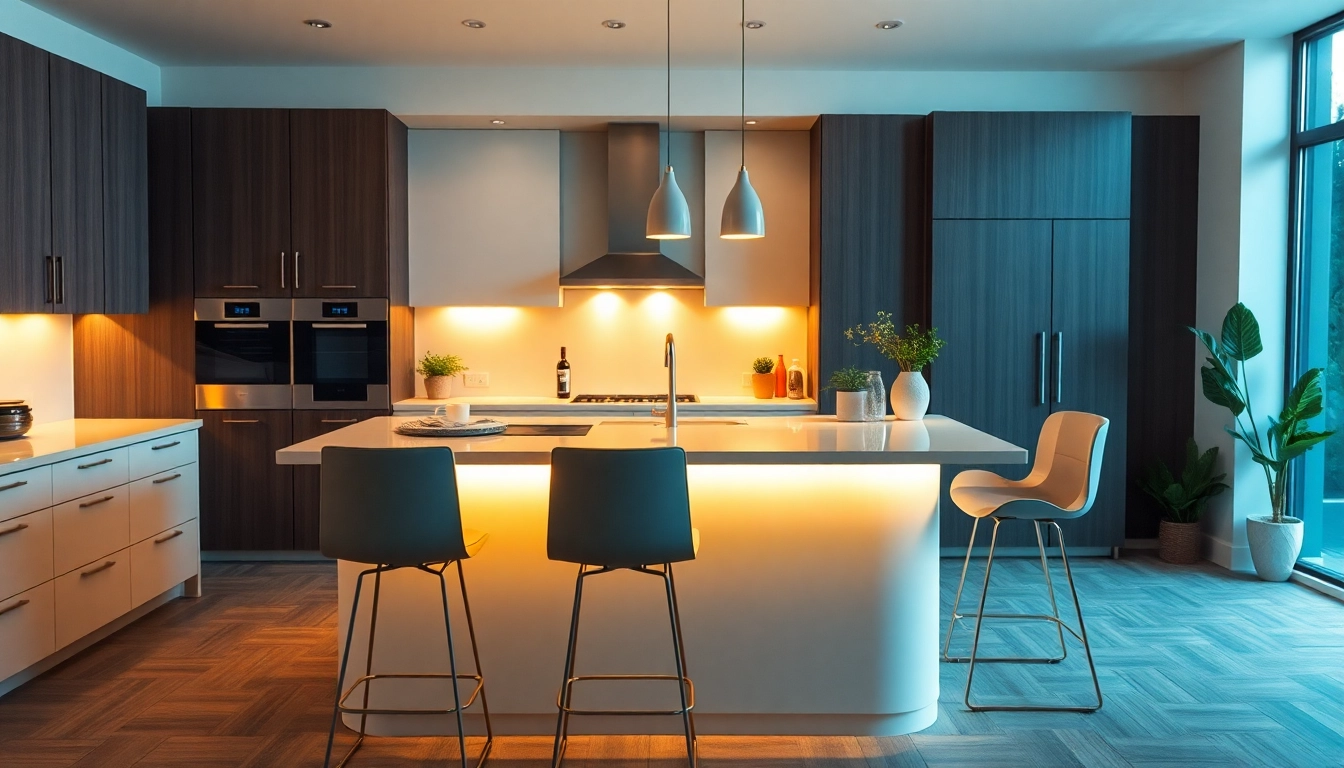
Understanding Island Lighting
What is Island Lighting?
Island lighting refers to the illumination fixtures specifically designed for use over kitchen islands, breakfast bars, or similar areas within a home. These fixtures not only serve a practical purpose by providing necessary light for cooking and dining but also contribute to the aesthetic appeal of a space. In contrast to general ambient lighting, island lighting provides focused lighting that enhances visibility and creates a welcoming atmosphere. Opting for the right island lighting solution can elevate the overall design of a kitchen, combining function with style.
Importance of Proper Lighting
Proper lighting is essential in any space, and when it comes to kitchens, it becomes even more critical. The kitchen is often considered the heart of the home, a place where families gather, meals are prepared, and memories are made. Adequate lighting over an island not only ensures safety by illuminating work surfaces but also sets the mood for gatherings. It can transform a dull space into a vibrant culinary hub. Moreover, well-planned island lighting can highlight design features, such as custom cabinetry or decorative backsplash tiles, making the kitchen feel more inviting and stylish.
Types of Island Lighting Fixtures
There is a wide variety of fixtures suitable for island lighting, each with different styles and functionalities. Here are some popular types:
- Pendant Lights: These hanging fixtures are a popular choice for island lighting due to their versatility and ability to provide direct light over narrow spaces. They come in various designs, from minimalist to ornate.
- Chandeliers: For a touch of elegance, chandeliers can add a sophisticated flair to an island, making them a focal point in the kitchen.
- Track Lighting: This type allows you to direct light where it’s needed most. Track lights can be adjusted to illuminate specific areas of the island or surrounding surfaces.
- Flush Mounts: Ideal for lower ceilings, flush mount fixtures provide general illumination and can be combined with other fixtures to enhance the light distribution.
Best Practices for Island Lighting Design
Layering Light for Functionality
Layering different types of lighting is a key principle in design, especially with island lighting. A combination of ambient, task, and accent lighting creates a dynamic and functional environment. Ambient lighting fills the room with general illumination, while task lighting provides focused light where it’s needed, such as over the kitchen island. Accent lighting can highlight architectural features or décor. This holistic approach ensures versatility, allowing the space to adapt to various activities, from cooking to entertaining.
Selecting the Right Fixture Style
Choosing the appropriate style of fixture is crucial for complementing the overall design of your kitchen. Consider elements such as the color scheme, cabinetry, and countertops. Industrial-style fixtures work well in modern spaces, while classic pendant lights fit traditional designs. Moreover, combining multiple styles can create an eclectic look that reflects personal taste. Aim for a cohesive aesthetic that enhances the beauty of the kitchen while performing effectively.
Positioning Your Lights Effectively
Proper positioning of lighting fixtures can dramatically affect the overall light distribution. For pendants, ensure they hang approximately 30-36 inches above the countertop to avoid obstruction while providing adequate illumination. If using multiple fixtures, maintain equal spacing between them to create a balanced look. Additionally, consider the line of sight; fixtures should not block views or create glare. Thoughtful placement is key to achieving practical yet visually appealing island lighting.
Choosing Materials and Finishes
Popular Materials in Island Lighting
The material used in lighting fixtures can influence both functionality and style. Among the popular materials are:
- Glass: Often used for shades in pendant lights, glass allows for light diffusion while adding a touch of sophistication.
- Metal: Fixtures made from materials like brushed nickel, brass, or copper can bring an industrial or vintage edge to the island.
- Wood: Wood fixtures provide warmth and can introduce organic elements, complementing modern minimalist kitchens.
- Fabric: Soft shades can soften the light and add a decorative touch, ideal for creating a cozy ambiance.
Combining Colors and Textures
Colors and textures play a significant role in defining the aesthetic appeal of island lighting. Warm tones, like gold or brass, can create a cozy atmosphere, while cool tones, such as silver or polished chrome, can evoke a clean and modern feel. Additionally, mixing textures, like rough wood with sleek metal, adds depth and interest to the design. Creating contrast can enhance the overall visual appeal and make the island a standout feature in the kitchen.
Durability and Maintenance Considerations
Selecting durable materials is critical for the longevity of island lighting fixtures, particularly in environments prone to moisture and grease, like kitchens. Opt for materials that are easy to clean and resistant to tarnishing or corrosion. With regular maintenance, such as cleaning glass shades and checking electrical components, you can ensure that your island lighting remains both functional and stylish for years to come.
Innovative Technology in Island Lighting
Smart Lighting Options
Smart home technology is becoming increasingly popular in lighting design, including island lighting. Smart bulbs or fixtures can be controlled from smartphones or smart home systems, allowing users to adjust brightness, color temperature, and power settings remotely. This level of control not only enhances convenience but can also contribute to energy savings.
Energy-Efficient Solutions
In today’s environmentally-conscious world, energy-efficient lighting options, such as LED fixtures, are becoming standard. LED lights consume significantly less energy compared to traditional incandescent bulbs, while offering longer lifespans. When selecting island lighting, consider whether the fixtures are compatible with LED bulbs or are available in energy-efficient designs, promoting sustainability without compromising on aesthetics.
Trends in Island Lighting Technology
Staying updated with trends can inspire innovative island lighting designs. Current trends include the use of customizable lighting colors and intensities, integration with voice-activated systems, and the rising popularity of linear lighting fixtures that provide a modern touch. Additionally, there’s a growing trend towards sustainability, with fixtures designed with recyclable materials or energy-efficient components. Keeping an eye on these trends can help you select solutions that are not only stylish but also ahead of the curve.
Transforming Your Space with Island Lighting
Case Studies of Successful Installations
Examining successful installations can provide insight into effective island lighting design. For instance, a modern farmhouse kitchen featuring oversized pendant lights creates a stunning focal point while providing task lighting for meal preparation. In contrast, a minimalist kitchen may utilize sleek, integrated LED lighting within cabinetry to keep the space uncluttered while effectively illuminating the island. Conducting a thorough analysis of these cases helps in understanding how different styles and approaches can be adapted to suit a variety of kitchen designs.
Common Mistakes to Avoid
When designing island lighting, several common mistakes should be avoided to optimize both aesthetics and functionality. These include:
- Choosing fixtures that are too small, which can make the island feel disproportionate.
- Neglecting the type of light bulb; always opt for those that provide adequate brightness without overwhelming glare.
- Failing to consider the entire lighting scheme in the kitchen, which may lead to poor light balance.
A critical review of design choices with a focus on these potential pitfalls can ensure a well-executed island lighting design.
FAQs and Expert Answers
1. What is the ideal height for island lighting fixtures?
The recommended height for pendants over an island is 30-36 inches above the countertop to ensure optimal lighting without interfering with sight lines.
2. Can I mix different styles of island lighting fixtures?
Yes, mixing styles can create an eclectic look, but it’s crucial to maintain a cohesive color palette and overall aesthetic for harmony in design.
3. How many fixtures do I need over my kitchen island?
The number of fixtures depends on the size of the island and the desired brightness. Generally, 2-3 pendants work well for typical-sized islands.
4. What type of light bulb is best for island lighting?
LED bulbs are recommended for their energy efficiency and longer lifespan. Choosing bulbs with adjustable brightness can enhance functionality.
5. How do I maintain my island lighting fixtures?
Regular maintenance includes cleaning glass shades, checking bulbs for functionality, and ensuring all electrical components are in good condition for safety.