Posted on

Top Creative Hobbies to Enhance Your Leisure Time

Hobbies and Leisure

Understanding Hobbies and Leisure Activities

Hobbies and leisure activities play a vital role in enriching our lives, providing a necessary counterbalance to the demands of work and daily responsibilities. Understanding what constitutes a hobby and the importance it holds can be the first step towards discovering joy and satisfaction in our free time.

Definition and Importance of Hobbies

A hobby is generally defined as a regular activity done for enjoyment, typically during one’s leisure time. Unlike a job or professional work, hobbies are pursued voluntarily and often serve as a source of relaxation and personal satisfaction. Engaging in hobbies can significantly enhance our quality of life.

According to a study published in the journal “Psychology of Leisure,” individuals who regularly engage in hobbies experience lower levels of stress, improved mood, and enhanced overall mental health. Hobbies allow individuals to express creativity, develop new skills, or simply escape from the daily grind. The importance of hobbies can be summarized as follows:

  • Stress Relief: Hobbies can serve as a distraction, providing a mental break from everyday challenges.
  • Skill Development: Many hobbies encourage the acquisition of new skills that can be beneficial personally or professionally.
  • Social Connections: Hobbies often lead to opportunities for socializing, fostering friendships and community engagement.

Types of Leisure Activities

Leisure activities can be categorized into various types, each catering to different interests and preferences. Here are some prevalent categories:

  • Creative Hobbies: Activities such as painting, writing, or crafting that allow for personal expression.
  • Physical Activities: Sports, hiking, or yoga that promote physical health and well-being.
  • Intellectual Pursuits: Reading, puzzles, or learning new languages that stimulate the mind.
  • Social Hobbies: Group activities like team sports, book clubs, or community service that foster social connections.
  • Collecting: Hobbies centered around collecting items such as stamps, coins, or antiques.

Benefits of Engaging in Hobbies

Engaging in hobbies offers numerous benefits that extend beyond mere enjoyment. Research indicates that individuals who actively participate in hobbies experience:

  • Enhanced Creativity: Hobbies encourage creative thinking and problem-solving abilities.
  • Increased Happiness: A study by the American Journal of Lifestyle Medicine found that individuals who dedicate time to hobbies report higher levels of life satisfaction.
  • Improved Physical Health: Many hobbies, especially those involving physical activity, contribute to better cardiovascular health and increased longevity.
  • Stronger Social Bonds: Participating in group activities fosters friendships and community ties, enhancing social support networks.

Identifying Your Interests and Passions

Identifying your interests and passions is crucial in selecting a hobby that you will genuinely enjoy. Self-assessment can help you pinpoint activities that resonate with you and align with your personal values.

Self-Assessment Techniques for Hobbies

To begin your journey of self-discovery, consider the following self-assessment techniques:

  • Reflective Journaling: Spend some time writing about your past experiences, interests, and what activities make you feel fulfilled. Identify themes or patterns in your writing.
  • Personality Assessments: Utilize tools like the Myers-Briggs Type Indicator or the Holland Code to gain insight into your personality traits and potential hobbies that align with them.
  • Interest Inventories: Complete an interest inventory questionnaire that can help identify your preferences and suggest related hobbies.

Exploring New Interests: Tools and Resources

Once you have a better understanding of your interests, the next step is to explore new hobbies. Here are some resources to guide your exploration:

  • Online Courses: Websites like Coursera, Udemy, and Skillshare offer a plethora of courses in various hobbies, from photography to coding.
  • Community Centers: Local community centers often host workshops and classes where you can try out new activities and meet like-minded individuals.
  • Social Media: Platforms like Pinterest and Instagram provide a visual exploration of hobbies, allowing you to discover trends and connect with hobby enthusiasts.

How to Choose the Right Hobby for You

Choosing the right hobby involves considering your interests, available time, and resources. Follow these practical steps:

  1. Make a List: Write down activities you’ve always wanted to try or interests you wish to explore.
  2. Consider Your Schedule: Assess how much time you can realistically dedicate to a new hobby each week.
  3. Start Small: Choose a hobby that requires minimal initial investment in terms of money and time, allowing you to ease into it.
  4. Seek Recommendations: Talk to friends or family about their hobbies, and see if any resonate with you.
  5. Test and Evaluate: Try out different hobbies for a short period and evaluate your enjoyment and engagement level before committing long-term.

Getting Started with Your Chosen Hobby

Once you’ve selected a hobby, it’s time to take the plunge and start your journey. Whether you’re knitting, gardening, or learning to play an instrument, getting started can feel daunting. Here’s how to ease into your new endeavor.

Essential Supplies and Equipment for Beginners

Depending on the hobby you’ve chosen, the supplies needed can range from minimal to extensive. Here’s how to ensure you’re adequately equipped:

  • Research Requirements: Investigate what basic supplies you’ll need. For example, if you’re taking up painting, you may require brushes, paint, and canvases.
  • Start with Essentials: Begin with the most essential tools to avoid overwhelming yourself. Upgrading equipment can come later as you grow into the hobby.
  • Budgeting: Set a budget for your initial purchases, keeping in mind that many hobbies have low-cost entry points.

Finding Local Clubs and Online Communities

Joining clubs or communities can enhance your hobby experience. Here’s how to find the right fit:

  • Local Clubs: Search for local hobby clubs through community centers, libraries, or online platforms like Meetup.com.
  • Online Forums: Websites such as Reddit and specialized forums can be valuable resources for finding communities of people with similar interests.
  • Social Media Groups: Platforms like Facebook often host groups dedicated to specific hobbies, providing a space for sharing tips and experiences.

Setting Realistic Goals and Expectations

Setting realistic goals is essential for maintaining motivation and enjoyment in your hobby. Here’s how to do it effectively:

  • Define Objectives: Outline what you hope to achieve with your hobby, whether it’s mastering a technique, completing a project, or simply having fun.
  • Break Down Goals: Divide larger goals into smaller, manageable tasks to avoid feeling overwhelmed.
  • Celebrate Progress: Acknowledge your accomplishments along the way, no matter how small, to keep your motivation high.

Intermediate Skills and Techniques for Hobbies

As you become more comfortable with your chosen hobby, it’s time to explore intermediate skills and techniques that can deepen your expertise and enjoyment.

Improving Your Skills: Advanced Techniques

Once you’ve grasped the basics, consider incorporating advanced techniques to enhance your skills:

  • Online Tutorials: Many platforms offer advanced tutorials that can guide you through complex techniques.
  • Workshops and Classes: Enroll in workshops to learn directly from experienced instructors who can provide personalized feedback.
  • Practice Regularly: Allocate time for practice, as consistent engagement is key to improvement.

Time Management Strategies for Hobby Enthusiasts

As hobbies can sometimes compete with other responsibilities, effective time management is crucial. Here are some strategies:

  • Prioritize Your Hobby: Treat your hobby as a priority by scheduling it into your weekly calendar.
  • Set Time Limits: Allocate specific time blocks for your hobby to prevent it from encroaching on other responsibilities.
  • Combine Activities: If possible, incorporate your hobby into social gatherings or family activities to maximize enjoyment and connection.

Networking and Collaborating with Other Hobbyists

Connecting with others who share your hobby can provide valuable insights and inspiration. Here’s how to network:

  • Attend Events: Participate in local events, fairs, or exhibitions related to your hobby to meet others.
  • Collaborative Projects: Consider collaborating on projects with fellow enthusiasts to learn from each other and share ideas.
  • Online Networking: Utilize social media platforms to connect with hobbyists worldwide, sharing experiences and tips.

Turning Hobbies into a Sustainable Lifestyle

For many, hobbies can evolve into a more significant part of life, sometimes even leading to income-generating opportunities. Here’s how to transition your hobby into a sustainable lifestyle.

Monetizing Your Hobby: Steps to Consider

If you’re considering turning your hobby into a source of income, follow these steps:

  • Market Research: Investigate whether there’s a market for your hobby-related skills or products. Understand your audience and their needs.
  • Create a Business Plan: Outline how you plan to monetize your hobby, including potential costs, pricing strategies, and revenue goals.
  • Start Small: Consider starting as a side hustle, allowing you to test the waters without significant financial risk.
  • Utilize Platforms: Leverage online marketplaces like Etsy for crafts, or Patreon for creative content to reach a broader audience.

Creating Content Around Your Hobbies

Sharing your hobby with others can be rewarding and fulfilling. Here’s how to create content:

  • Blogging: Start a blog to document your journey, share tips, and connect with a community of like-minded individuals.
  • Social Media Presence: Use platforms like Instagram or YouTube to showcase your work and engage with your audience.
  • Online Courses: If you become proficient in your hobby, consider creating online courses to teach others.

Balancing Hobbies with Other Life Responsibilities

Finding a balance between your hobbies and other life responsibilities is essential for maintaining overall well-being. Here are some tips:

  • Set Boundaries: Clearly define when you will engage in your hobby to prevent it from interfering with work or family time.
  • Communicate: Keep your family informed about your hobby commitments, ensuring they understand its importance to you.
  • Be Flexible: Be willing to adjust your hobby schedule as necessary to accommodate other responsibilities while still carving out time for yourself.

Posted on

Maximize Your Skills with Our Craft Trainee Program

Engaged participants in a craft trainee program collaborate on creative projects.

Introduction to the Craft Trainee Program

What is a Craft Trainee Program?

A craft trainee program is a structured training initiative designed to equip individuals with hands-on skills and knowledge in various crafts or trades. Typically, these programs cater to beginners who wish to explore different artistic disciplines, such as woodworking, ceramics, textiles, and digital production. By immersing participants in practical experiences and expert-led sessions, a craft trainee program seeks to ignite creativity and build fundamental craftsmanship skills that can lead to lifelong passions or careers.

Importance of Craftsmanship Skills

In today’s increasingly automated and digital world, the value of craftsmanship skills cannot be overstated. These skills not only foster creativity and innovation but also contribute significantly to personal development. Craftsmanship encourages problem-solving, patience, and attention to detail—traits that are crucial not just in practical applications but also in broader life contexts. Moreover, individuals with craftsmanship expertise play an essential role in maintaining cultural heritage, ensuring that traditional skills and techniques continue to thrive in future generations.

Benefits of Participating in a Craft Trainee Program

Engaging in a craft trainee program offers numerous advantages for participants. The most prominent benefits include:

  • Skill Acquisition: Participants gain specialized techniques and knowledge tailored to their chosen craft.
  • Networking Opportunities: Students connect with professionals and peers, fostering relationships that can lead to future collaborations or job offers.
  • Career Readiness: Programs often include practical training that prepares students for employment within their craft field.
  • Self-Expression: Participants can express their creativity through hands-on projects, enhancing personal fulfillment.

Moreover, enrolling in a craft trainee program can serve as a pivotal step towards discovering passion-driven professional pathways.

Designing the Optimal Craft Trainee Program

Key Elements of Effective Training

To design an impactful craft trainee program, several key elements must be integrated:

  • Comprehensive Curriculum: A well-rounded curriculum should cover foundational skills, advanced techniques, and industry standards relevant to the trade.
  • Qualified Instructors: Instructors should possess not only expertise in their craft but also teaching skills to effectively relay knowledge to trainees.
  • Assessment Mechanisms: Regular evaluations help gauge participants’ progress, enabling tailored support and adjustments where necessary.

Curriculum Development Strategies

Creating a robust curriculum for a craft trainee program involves several strategic steps:

  • Needs Assessment: Identify the specific skills and knowledge gaps in your target population to inform curriculum content.
  • Collaboration with Industry Experts: Work with professionals to ensure curriculum relevance and alignment with current industry practices.
  • Hands-On Learning: Incorporate a mix of theoretical knowledge and practical applications that allow for experiential learning.

By focusing on these strategies, programs can ensure participants leave with marketable skills and a strong foundation in their chosen craft.

Incorporating Hands-On Experiences

Practical hands-on experiences are vital components of an effective craft trainee program. These experiences allow participants to:

  • Apply Theory: Reinforce theoretical knowledge through real-world applications to improve retention and understanding.
  • Experiment and Innovate: Encourage creativity by allowing trainees to explore and develop their own project ideas.
  • Receive Constructive Feedback: Hands-on sessions provide opportunities for immediate feedback from instructors and peers, enhancing skill development.

Such engagement not only makes learning more enjoyable but also equips trainees with confidence in their abilities to create and innovate.

Finding the Right Craft Trainee Program

Researching Opportunities

When searching for the right craft trainee program, thorough research is essential. Start by exploring various educational institutions, community colleges, and online platforms that offer training in specific crafts. Networking within relevant communities, both online and offline, can uncover lesser-known opportunities. Additionally, attending craft fairs or workshops allows potential trainees to interact directly with instructors and former participants, providing insight into various programs.

Evaluating Program Quality

Evaluating the quality of craft trainee programs is critical before enrollment. Consider factors such as:

  • Accreditation: Ensure that the program is recognized by relevant industry bodies or educational authorities.
  • Instructor Qualifications: Research the backgrounds of instructors to confirm their credentials and teaching capabilities.
  • Alumni Success: Investigate the career trajectories of former participants to gauge the program’s effectiveness in preparing individuals for employment.

Understanding Instructor Expertise

The success of a craft trainee program heavily relies on the expertise of its instructors. It is crucial to evaluate:

  • Practical Experience: Instructors should have substantial hands-on experience in their craft to provide valuable insights.
  • Teaching Methodology: Assess how well instructors engage students and adapt their teaching styles to various learning types.

Having a mentor with real-world knowledge not only enhances learning but also inspires trainees to strive for excellence in their craft.

Success Stories from Craft Trainee Programs

Examples of Trainee Achievements

Success stories from craft trainee programs are abundant and serve as powerful motivators for prospective participants. Many former trainees have gone on to establish their own businesses, become sought-after artisans, or secure positions in established companies. For instance, a graduate of a woodworking program may now design high-end furniture, while someone from a pottery class might sell intricately crafted pieces at local arts markets.

Long-Term Career Benefits

Engagement in a craft trainee program can lead to numerous long-term benefits for participants, including:

  • Job Readiness: Graduates often find themselves better equipped for job opportunities within their crafts due to their advanced skill sets.
  • Economic Advantages: Craft skills can lead to high demand in markets, creating better income prospects for artisans.
  • Personal Satisfaction: Working in a field of passion contributes to higher job satisfaction and overall happiness.

Community Impact and Involvement

Craft trainee programs often extend their influence beyond individual success. By fostering collaboration and skill-sharing, these programs can strengthen community bonds. Participating in local craft fairs or community workshops not only showcases participants’ work but also supports local economies and the cultural fabric of communities. Thus, successful trainees often become vital community members who inspire others to explore their creativity.

Future Trends in Craft Trainee Programs

Technology Integration in Craft Training

As technology continues to evolve, so too do craft trainee programs. Emerging trends include:

  • Online Training Modules: Virtual classes allow participants access to quality instruction regardless of location, making training more accessible.
  • 3D Printing and Digital Tools: Integrating modern tools into traditional crafts helps expand creativity and diversify skill sets.

Adapting to Market Changes

Craft trainee programs must remain agile, adapting to shifting market demands. This could include incorporating sustainable practices or focusing on current consumer preferences, such as handmade goods. Continuous feedback from the industry can help shape programs to meet these challenges, ensuring that they remain relevant and beneficial for graduates.

Global Perspectives on Craft Trainee Programs

Craftsmanship is a universal pursuit; however, the approach to training can vary globally. Understanding different cultural perspectives on craft can provide inspiration for local programs, offering diverse techniques, materials, and traditions. Incorporating a global outlook not only enriches the experience for participants but also broadens the scope of their creativity.

FAQs

What is the duration of a craft trainee program?

Duration varies but typically lasts a few weeks to several months, depending on the program structure.

How do I enroll in a craft trainee program?

Enrollment procedures generally involve application submission and can vary by program; check specific program details.

Are there prerequisites for joining a craft trainee program?

Most programs do not require prior experience, but some may look for basic skills or a strong interest in crafts.

Can I receive certification upon completion?

Many programs offer certification or credentials to acknowledge your completed training and skills acquired.

What types of crafts are taught in these programs?

Programs may cover diverse crafts, from woodworking and sewing to pottery and digital design, catering to various interests.

Posted on

Stylish and Functional Fly Fishing Apparel for Every Adventurer

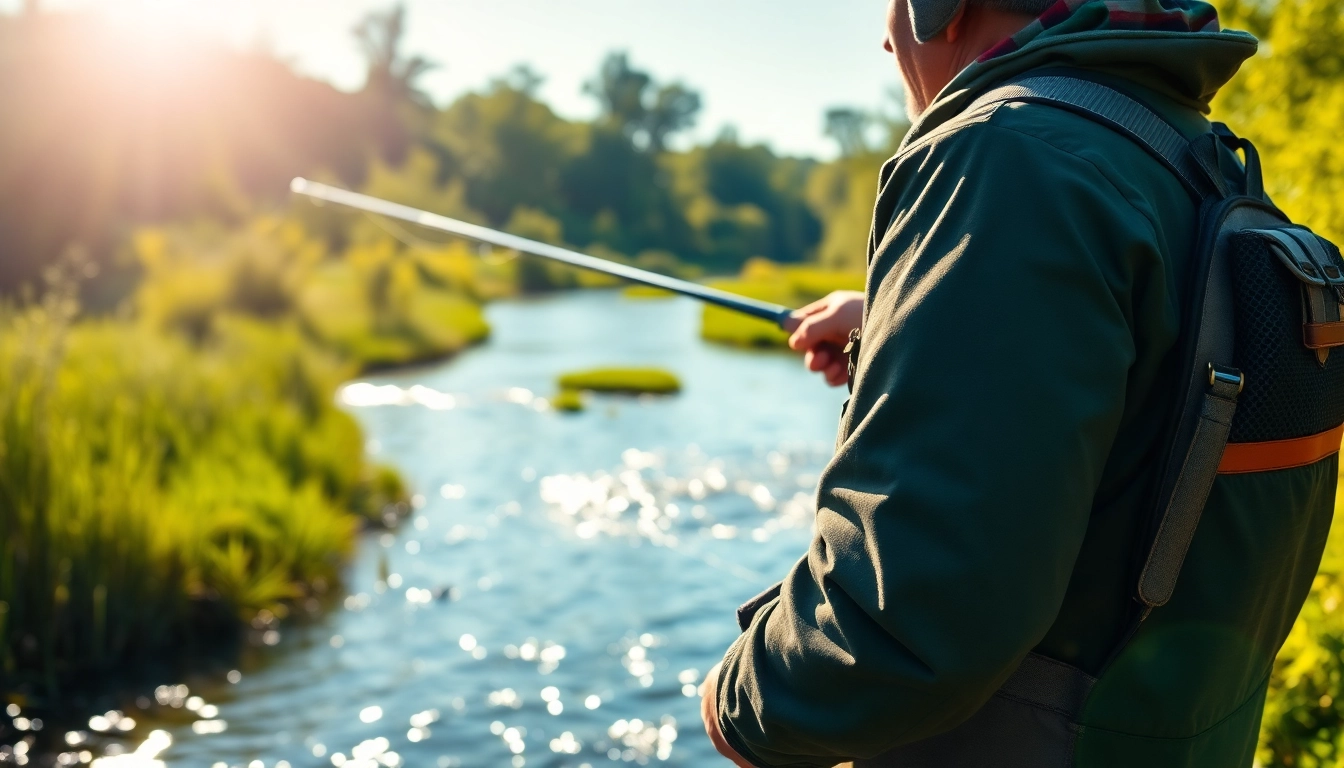
Fisherman showcasing fly fishing apparel while casting in nature.

Understanding Fly Fishing Apparel

What is Fly Fishing Apparel?

Fly fishing apparel encompasses a wide variety of clothing and accessories specifically designed for fly fishing enthusiasts. This category includes lightweight jackets, breathable waders, moisture-wicking shirts, and specialized vests equipped with multiple pockets. The garments are tailored to enhance the fishing experience, offering comfort and functionality while ensuring the wearer is prepared for diverse weather conditions and terrains. Quality fly fishing apparel provides protection against the elements and incorporates features that help in storing gear and improving mobility.

Importance of Quality Materials

When it comes to fly fishing apparel, the materials used are paramount. High-quality fabrics such as nylon, polyester, and Gore-Tex are commonly employed due to their durability, lightweight nature, and water-resistant properties. Nylon is often favored for its resistance to abrasion, making it ideal for rugged outdoor activities, while Gore-Tex technology offers unmatched protection against water without compromising breathability. Investing in quality materials ensures longevity and effectiveness in the apparel, allowing anglers to focus on their craft rather than being hampered by discomfort.

Key Features to Look For

Selecting the right fly fishing apparel involves understanding specific features that enhance performance. Look for quick-drying fabrics to prevent discomfort from wet conditions, UV protection to shield against harmful sun rays, and ventilation options like mesh panels to maintain airflow. Additionally, adjustable cuffs, hems, and waistbands offer personalized fit, while reinforced stitching adds to the durability of the garment. Pocket placement and accessibility are also important, enabling easy access to essential fishing tools.

Top Types of Fly Fishing Apparel

Lightweight Jackets and Vests

Lightweight jackets and vests are essential components of fly fishing attire. These pieces are designed to provide warmth and protection from wind and light rain without adding bulk. Look for jackets with adjustable hoods, cuffs, and multiple pockets for storage. Vests, particularly those with built-in flotation assistance, are popular for their convenience and versatility, allowing anglers to carry tools and tackle efficiently without disrupting their casting technique.

Waders and Waterproof Gear

Waders are crucial for fly fishing in rivers and lakes. They protect the angler from cool water temperatures and provide mobility within water bodies. Invest in breathable, waterproof waders that allow moisture to escape while keeping you dry. Neoprene waders are suited for colder climates, offering insulation, while lighter materials work well during warmer months. Pairing waders with waterproof jackets ensures comprehensive protection against unexpected weather changes.

Accessories for Comfort and Safety

Accessories play a significant role in enhancing both comfort and safety during fly fishing adventures. Hats with UPF protection shield from harmful sun rays, while polarized sunglasses reduce glare, improving visibility in the water. A high-quality fishing belt or pack can also distribute weight more evenly, preventing fatigue during long excursions. Don’t overlook gloves; fingerless designs allow for dexterity while keeping hands protected from abrasions and sun exposure.

Choosing the Right Fly Fishing Apparel

Size and Fit Considerations

Proper sizing and fit are pivotal in selecting fly fishing apparel. Always refer to sizing guides provided by manufacturers and consider how each piece coordinates with other layers. A snug fit is important for insulation, while breathing room aids in comfort. Try clothing on, if possible, and pay attention to how it accommodates movement—crouching, casting, and wading are essential actions that require freedom of movement without restriction.

Seasonal Gear Choices

Seasonal fishing conditions greatly influence apparel choices. During warmer months, opt for lightweight, breathable fabrics that wick moisture and provide UV protection. In contrast, colder seasons necessitate layering systems, which allow adaptability to changing conditions. Base layers should manage moisture, insulating layers should retain heat, and outer layers must protect against wind and water. This method ensures comfort throughout any fishing outing, regardless of weather conditions.

Color and Pattern Tips

The color and pattern of fly fishing apparel can make a significant difference. Earthy tones such as greens and browns are ideal for blending into natural environments and avoiding spooking fish. Bright colors, while easily visible to anglers, can sometimes deter fish in clear waters. Ultimately, the choice should balance visibility for personal safety with stealth for effective fishing. Incorporate patterns that break up the outline for better camouflage.

Caring for Your Fly Fishing Apparel

Washing and Maintenance Tips

Proper care extends the life of your fly fishing apparel. Follow the manufacturer’s washing instructions, typically recommending cold water and line drying. Avoid fabric softeners that can compromise water-resistant properties. To maintain waterproof finishes, consider using specialized washing agents that rejuvenate these coatings. Regular maintenance checks for wear and tear will help catch any issues before they compromise performance.

Storage Best Practices

How you store your fly fishing apparel can impact its longevity and functionality. Avoid compressing items for extended periods, as this can degrade materials. Instead, store apparel in a cool, dry place with ample airflow. Hanging jackets and vests preserves their shape, while foldable items like shirts and pants should be stored in a way that prevents creasing. Consider using storage bags for waders to keep them protected and clean.

Repairing Modifications

Accidental damage to apparel is common during fishing excursions. Learning basic repair techniques can save you from costly replacements. Simple repairs such as patching fabric tears can be done with specialized kits available in outdoor shops. For waterproof materials, resealing seams and applying patches is essential to maintain performance. Investing time in care and repairs can significantly extend the lifespan of your fly fishing gear.

Frequently Asked Questions

What are the best materials for fly fishing apparel?

The best materials include nylon, polyester, and advanced waterproof fabrics like Gore-Tex. These materials offer durability, breathability, and water resistance, ensuring comfort during fishing outings.

How do I choose the right fit for my fly fishing apparel?

To choose the right fit, refer to size charts, consider layering options, and try on garments to ensure freedom of movement for activities like casting and wading.

Can I wear my fly fishing apparel in other outdoor activities?

Yes, many fly fishing apparel items are designed for outdoor versatility. Lightweight jackets, moisture-wicking shirts, and breathable pants are suitable for hiking and other outdoor activities.

What is the best way to clean my fly fishing apparel?

Always follow the manufacturer’s instructions. Generally, washing in cold water without fabric softeners and air-drying will maintain performance and longevity of the materials.

Are there specific brands known for high-quality fly fishing apparel?

While many brands offer quality fly fishing apparel, focus on features and materials that meet your fishing needs rather than brand name alone. Look for customer reviews and feedback on specific items.

Posted on

Top Features to Look for in a Fly fishing backpack for Your Next Adventure

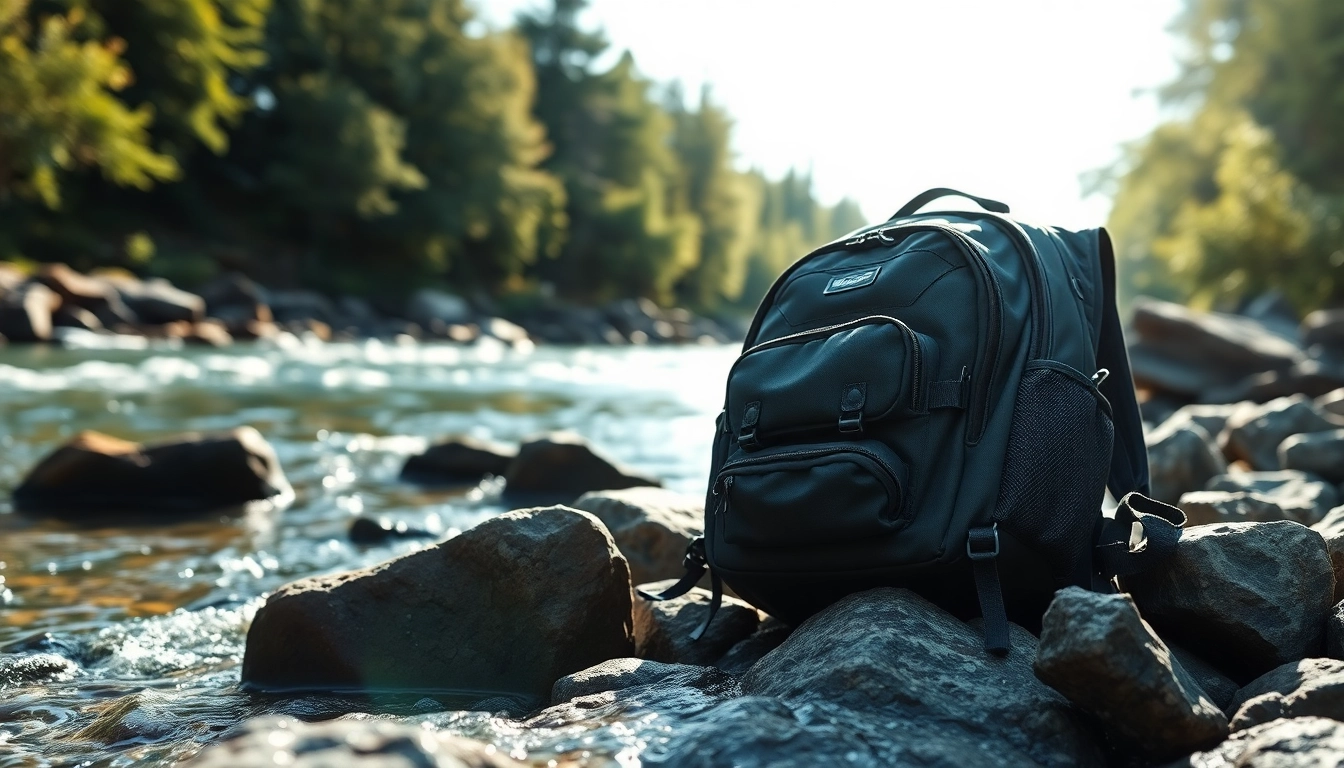
A skilled angler using a Fly fishing backpack with multiple compartments in a scenic river setting.

Understanding the Importance of a Fly Fishing Backpack

When embarking on a fly fishing adventure, the importance of a well-designed and practical Fly fishing backpack cannot be overstated. This specialized gear is not just a storage solution; it’s a critical element that can significantly enhance your fishing experience. A suitable backpack allows you to organize your equipment efficiently, ensuring that everything you need is at your fingertips while you enjoy the tranquility of nature.

Essential Features to Enhance Your Fishing Experience

Your choice of a fly fishing backpack should be influenced by several essential features designed to enhance your fishing trips. Firstly, comfort is key. A well-padded back panel and adjustable straps can make a significant difference during long walks to your fishing location. Additionally, consider storage options — multiple compartments, including dedicated sections for reels, line, and flies, help maintain organization and accessibility.

How the Right Backpack Can Improve Mobility

Mobility is paramount in fly fishing. A backpack designed specifically for this purpose ensures that your gear is secure and balanced on your back. Look for packs that distribute weight evenly across your shoulders and hips. Furthermore, innovative designs featuring hydration systems can keep you refreshed without needing to dig through your bag.

Common Mistakes When Choosing a Backpack

Many anglers make mistakes when selecting a fly fishing backpack. A common pitfall is opting for a backpack that’s too large, leading to unnecessary weight and bulk when you only need a few essential items. Another frequent error is neglecting to consider the waterproof capabilities of the pack. Ensuring that your backpack has waterproof materials and zippers can protect your equipment from wet conditions, which are common when fishing.

Key Materials and Durability in Fly Fishing Backpacks

Water-Resistant vs. Waterproof: What’s Best?

When evaluating fly fishing backpacks, understanding the difference between water-resistant and waterproof materials is crucial. Water-resistant fabrics can repel light moisture but may not withstand heavy rain or submersion. Conversely, waterproof materials, often sealed with waterproof zippers, provide complete protection from the elements. An ideal choice depends on your fishing conditions; look for backpacks that offer waterproof features to ensure your gear remains dry and functional.

Weight and Sturdiness: Finding the Perfect Balance

The weight of your backpack is just as important as its sturdiness. An overly heavy backpack can quickly become burdensome and detract from your fishing experience. However, lightweight designs should not compromise durability; look for materials like nylon, known for its strength and lightness. A robust frame can also enhance the sturdiness of your backpack while maintaining a low weight, allowing you to hike long distances without discomfort.

Choosing Eco-Friendly Materials for Sustainability

As environmental concerns grow, choosing eco-friendly materials for your fly fishing backpack becomes increasingly relevant. Sustainable materials, such as recycled fabrics and natural fibers, reduce the environmental impact of your fishing adventures. By opting for a backpack made from eco-friendly materials, you contribute to preserving the natural beauty of the locations you fish in without sacrificing quality or performance.

Innovative Designs in Modern Fly Fishing Backpacks

Chest Pack vs. Traditional Backpack: Pros and Cons

Choosing between a chest pack and a traditional backpack can significantly affect your fishing experience. Chest packs offer quick access to essential gear while keeping your hands free, making them ideal for fast-paced fishing scenarios. However, they can limit your carrying capacity. On the other hand, traditional backpacks provide more storage and are suitable for longer trips. Weighing your needs and fishing style will guide you in selecting the right design.

How Organizational Features Make a Difference

Today’s fly fishing backpacks come with innovative organizational features that streamline your fishing experience. External attachment points for nets, rod holders, and hydration packs enhance usability, allowing you to carry everything you need comfortably. Interior pockets designed specifically for flies and tackle can keep you organized, reducing the time spent searching for items during your trip.

Trendy Colors and Styles for 2025

While functionality is crucial, aesthetics also play a role in the appeal of a fly fishing backpack. The latest trends for 2025 include earth tones and vibrant colors that reflect the beauty of the natural environments anglers explore. Stylish designs can also provide elements of personal expression, allowing you to showcase your unique style while engaging with nature.

Maintaining Your Fly Fishing Backpack for Longevity

Cleaning Tips to Preserve Functionality

To ensure your Fly fishing backpack lasts for years, regular cleaning is essential. Rinse your backpack with fresh water after fishing in salty or muddy environments to prevent material degradation. Use mild soap and a soft brush for scrubbing without damaging any waterproof elements. Allow it to air dry completely before storing to prevent mold and mildew.

Storage and Handling Recommendations

Proper storage and handling of your fly fishing backpack will prolong its lifespan. Avoid cramming it into tight spaces, which can cause creases and stress on the materials. Instead, hang or store it flat in a cool, dry area. When not in use, consider filling it with cushioning materials to maintain its shape and prevent material fatigue.

Signs That Your Backpack Needs Replacement

There are several tell-tale signs that indicate your fly fishing backpack may need replacement. Check for frayed straps, broken zippers, or significant wear and tear on the fabric. Additionally, if waterproof features are compromised, leading to wet gear, it’s time to consider investing in a new backpack. Staying vigilant about these signs ensures you’re always equipped for your fishing adventures.

Frequently Asked Questions About Fly Fishing Backpacks

What is the best Fly fishing backpack for beginners?

The best Fly fishing backpack for beginners typically features simplicity, ample storage, and comfort. Look for one with a streamlined design and basic organizational features that can be adjusted to your growing skills.

How much weight can a typical Fly fishing backpack carry?

A typical Fly fishing backpack can carry between 20 to 40 pounds, depending on its size and materials. Ensure you don’t overload it, as this can affect comfort and mobility during your fishing trip.

Can I use a standard backpack for fly fishing?

While a standard backpack can be used for fly fishing, it may lack essential features such as water resistance and specific organizational pockets. For a better experience, choose a specialized fly fishing backpack.

What features should I prioritize in a Fly fishing backpack?

Prioritize comfort, water resistance, organizational pockets, and weight distribution in a Fly fishing backpack. These features will enhance your fishing experience and ensure you have all essential gear accessible.

Are there budget-friendly options for a Fly fishing backpack?

Yes, there are numerous budget-friendly Fly fishing backpacks on the market. Look for options that include essential features without compromising quality, ensuring you get effective performance at a lower price point.

Posted on

Mastering Saltwater Fly Fishing: Techniques, Tips, and Top Destinations

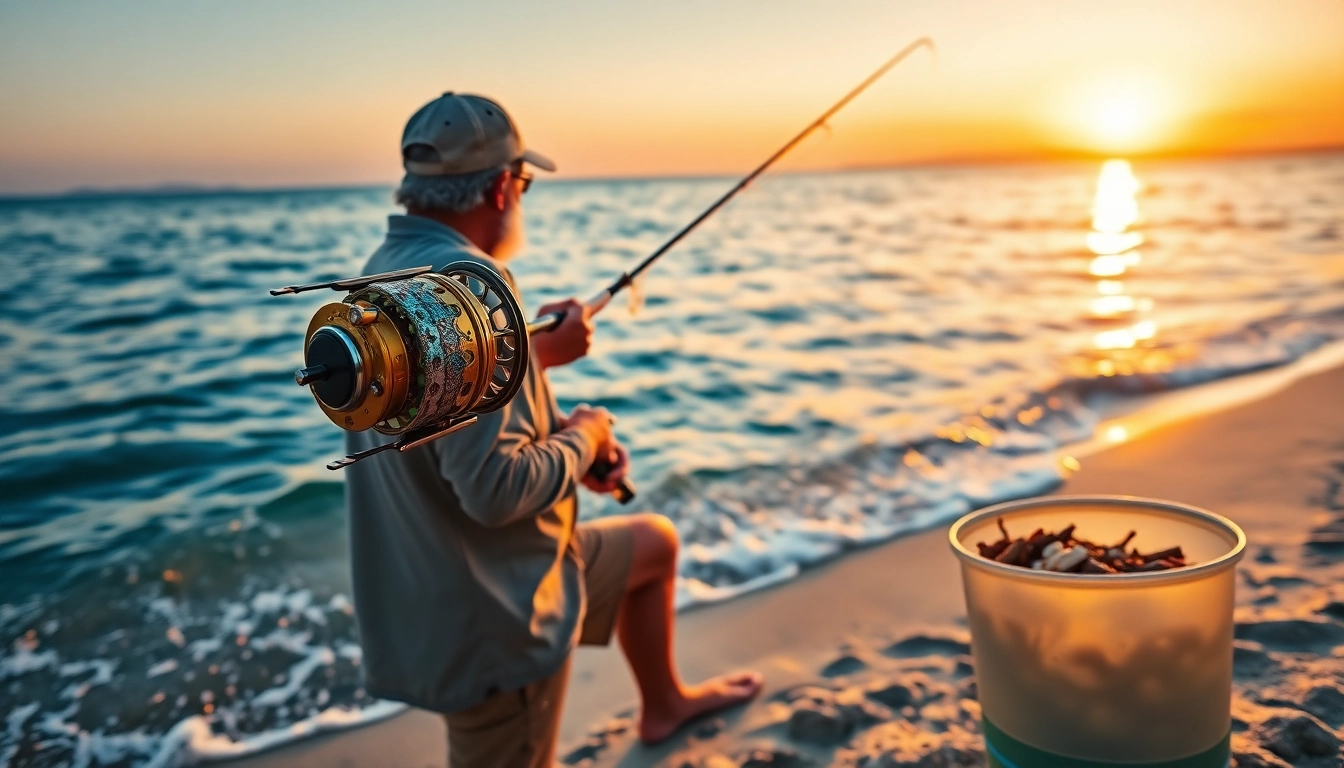
Angler practicing saltwater fly fishing at sunset, showcasing skill and serenity.

The Basics of Saltwater Fly Fishing

Saltwater fly fishing is an exhilarating and challenging pursuit that allows anglers to connect with nature and test their skills against some of the ocean’s most elusive species. Unlike freshwater fishing, where techniques and tactics may be more straightforward, saltwater fly fishing requires a deeper understanding of the ecosystem, gear selection, and specialized techniques. Whether you are a seasoned angler or a newcomer, mastering the fundamentals is essential for a successful outing. In this detailed guide, we will delve into everything you need to know about saltwater fly fishing, ensuring you are well-prepared to tackle the open waters.

Understanding the Equipment

The right equipment is crucial for effective saltwater fly fishing. Unlike freshwater gear, saltwater equipment is designed to withstand the harsh marine environment, including saltwater corrosion and strong currents. Here are the key components:

  • Fly Rods: Choose a fly rod with a higher weight rating, typically between 8 and 12 weight, to effectively cast larger flies and manage heavier fish.
  • Fly Reels: A solid, durable reel with a strong drag system is vital for managing the fast runs of saltwater fish.
  • Fly Lines: Use weight-forward floating lines for most applications, but consider sinking lines for deeper water fishing or when targeting fish near the bottom.
  • Leaders and Tippet: Use a strong fluorocarbon leader for its invisibility underwater and resistance to abrasion, especially when fishing near rocky structures or coral reefs.
  • Flies: The choice of flies is pivotal to success, and we will delve into the most effective patterns later in this article.

Choosing the Right Locations

Saltwater fly fishing offers a diverse array of locations, from sandy beaches to rocky shorelines and bustling estuaries. When deciding where to fish, consider the following:

  • Geography: Identify areas with good access to saltwater fish species such as bonefish, tarpon, and permit. Popular locations include the Florida Keys, the Bahamas, and the coast of Belize.
  • Tides: Understanding tidal movement is critical. Fish are often more active during tidal changes when baitfish are pushed into feeding zones.
  • Weather Patterns: Wind and weather can impact visibility and fish behavior. Overcast days might encourage fish to move shallower, while bright sunshine may push them to deeper waters.
  • Local Resources: Connecting with local bait shops or guides can provide valuable insights into productive locations and seasonal patterns.

Fundamental Techniques for Beginners

As a beginner, mastering the fundamental techniques of saltwater fly fishing will enhance your experience and increase your chances of success. Focus on developing the following skills:

  • Improved Casting: Practice casting techniques such as the double haul and overhead cast to improve distance and accuracy.
  • Presentation: Understanding how to present your fly naturally to mimic live bait is essential. Fish can be wary of unnatural movements.
  • Stripping Techniques: Different stripping techniques can trigger strikes. Vary your retrieve speed and rhythm to see what works best for the specific species you are targeting.
  • Setting the Hook: Timing is critical when it comes to setting the hook. Wait until you feel a solid pull before making a quick but firm upward motion.

Essential Fly Patterns for Saltwater Fishing

The effectiveness of your saltwater fly fishing often hinges on the patterns you choose. Selecting the right fly can spell the difference between a successful day or leaving empty-handed. Understanding the essentials is key.

Popular Saltwater Fly Patterns

Some of the most effective saltwater fly patterns include:

  • Clouser Minnow: A dual-colored baitfish imitation that works well for a variety of species.
  • EP Mullet: Mimics the common mullet, attracting predators like tarpon and snook.
  • Bonefish Special: Designed for stealthy presentations to wary bonefish, usually fished in clear shallows.
  • Tarpon Fly: Flies specifically designed for tarpon fishing often have a larger profile and are designed to float or dive quickly.

Matching Flies to Local Baitfish

One of the most crucial aspects of fly selection is matching your patterns to the local baitfish. Understanding the species prevalent in the area will improve your success rate vastly. Research local fishing reports or speak to local anglers and guides about the current baitfish patterns. For example:

  • Availability: Know the size, color, and species of baitfish in the area.
  • Seasonal Changes: Some baitfish will be more prevalent during certain seasons. Fly patterns might need to be adjusted accordingly.
  • Feeding Habits: Observe how fish are feeding; are they chasing baitfish at the surface, or are they diving deep? This can influence your fly choice and presentation.

How to Tie Your Own Saltwater Flies

Tying your own flies allows for customization and can save money over time. Here’s an essential overview of tying saltwater flies:

  1. Select Materials: Choose high-quality materials that will withstand the saltwater environment. Common materials include synthetic fibers, hooks, and beads.
  2. Establish a Foundation: Start by securing your hook in a vise, thread the tying thread, and build a base.
  3. Layering: Add materials in layers, ensuring you create a profile that mimics local baitfish, adjusting colors and sizes to match conditions.
  4. Finishing Touch: Use head cement to secure the fly head, which will keep it intact during casting and retrieves.

Advanced Techniques For Seasoned Anglers

For those looking to elevate their saltwater fly fishing game, delving into advanced techniques can yield exceptional results. Here are some strategies to consider:

Strategies for Targeting Specific Species

Understanding the behaviors of specific targeted species will refine your catching techniques. Consider the following species-specific tactics:

  • Bonefish: Fish during early morning or late afternoon, using stealthy approaches and delicate presentations.
  • Tarpon: Focus on warmer months and look for them near mangroves or in channel entrances during migration.
  • Permit: These fish are notorious for being finicky. A precise cast to a visible fish with minimal splash is crucial for success.

Reading Tides and Weather Patterns

Being able to read tides and weather conditions is essential. Saltwater fish are influenced heavily by both:

  • Tide Phases: Low tides can expose flats where fish feed, while rising tide often brings bait into the shallows.
  • Weather Fronts: Fish often feed aggressively in the aftermath of storms or cold fronts as they are drawn to the more stable conditions.
  • Wind Conditions: Wind affects both casting and fly presentation. Favorable wind conditions will determine the direction you approach your fishing spot.

Leveraging Local Knowledge and Resources

Never underestimate the power of local knowledge. Engaging with experienced anglers and guides can offer insights that dramatically increase your effectiveness:

  • Local Guides: Hiring a local guide not only benefits you with their expertise, but they will also know the best spots, tactics, and gear required for the season.
  • Fishing Reports: Regularly check fishing reports to stay updated on local conditions and successful patterns.
  • Community Resources: Engage with local fly fishing clubs or forums to gain insights, tips, and camaraderie among fellow enthusiasts.

Best Practices for Sustainable Saltwater Fly Fishing

As responsible anglers, it is imperative to practice sustainable fishing methods to protect vulnerable ecosystems. Here are several best practices:

Understanding Conservation Efforts

Many saltwater species face pressures from overfishing and habitat loss. Understanding conservation efforts can help inform your practices:

  • Catch and Release: Prioritize catch and release tactics to help maintain fish populations.
  • Fishing Licenses: Ensure you have the proper licenses and are aware of local regulations to avoid illegal practices.
  • Conservation Groups: Engage with local and national conservation organizations that focus on protecting marine habitats and fish stocks.

Handling Catches Responsibly

Properly handling catches increases their chances of survival when released. Keep the following in mind:

  • Minimize Air Exposure: Keep fish in the water as much as possible and avoid prolonged air exposure.
  • Use Wet Hands: Wet your hands before handling fish to minimize scale and slime damage.
  • Barbless Hooks: Use barbless hooks to simplify removal and reduce injury to the fish.

Minimizing Your Environmental Impact

Taking steps to reduce your environmental footprint while fishing is essential. Follow these guidelines:

  • Leave No Trace: Pack out everything you bring with you, ensuring you leave the environment free of trash.
  • Respect Wildlife: Maintain a respectful distance from nesting birds and marine mammals.
  • Use Eco-friendly Gear: Opt for environmentally friendly gear that reduces plastic and toxic material use.

Top Destinations for Saltwater Fly Fishing

Exploring the world’s top destinations for saltwater fly fishing can lead to unforgettable experiences. Here are some of the finest spots:

Exotic Locations to Try Around the World

Some of the most sought-after saltwater fly fishing destinations include:

  • The Florida Keys: Known for its diverse fish populations, including tarpon and bonefish, the Keys offer a range of fishing experiences.
  • Belize: Famous for its gin-clear waters and diverse species, Belize is a fly fisher’s paradise, especially for bonefish and permit.
  • Christmas Island: Renowned for its giant trevally and endless flats, it is an idyllic destination for serious saltwater enthusiasts.
  • Maui: The warm waters of Maui attract a variety of migratory fish, making it a unique fishing destination.

Local Guides and Charters

Utilizing local guides and charters not only enhances your fishing experience but ensures you are fishing sustainably:

  • Expertise: Local guides know the best spots and the right techniques for catching target species.
  • Gear Rental: Many charters provide high-quality gear and flies, saving you the hassle of transporting your own.
  • Weather Insights: Guides are well-versed in local weather patterns and can adjust your trip for optimal conditions.

Planning Your Saltwater Fishing Trip

When planning a saltwater fly fishing trip, it’s crucial to prepare adequately:

  • Research Conditions: Investigate the best seasons for the species you wish to target and plan accordingly.
  • Accommodation: Look into nearby lodging options that cater specifically to fishing trips.
  • Required Gear: Compile a checklist of necessary gear, ensuring that your equipment meets the conditions and species you’ll be targeting.

In conclusion, saltwater fly fishing is a rewarding yet demanding pursuit that requires knowledge, skill, and respect for the environment. By understanding the fundamentals, honing your skills, and employing sustainable practices, you can fully immerse yourself in this thrilling outdoor adventure. Whether you’re casting into the serene flats of Belize or battling a monster tarpon in the warm waters of the Florida Keys, each outing brings the potential for unforgettable memories and natural beauty. Equip yourself with the right tools, techniques, and knowledge to make the most of your saltwater fly fishing experience!