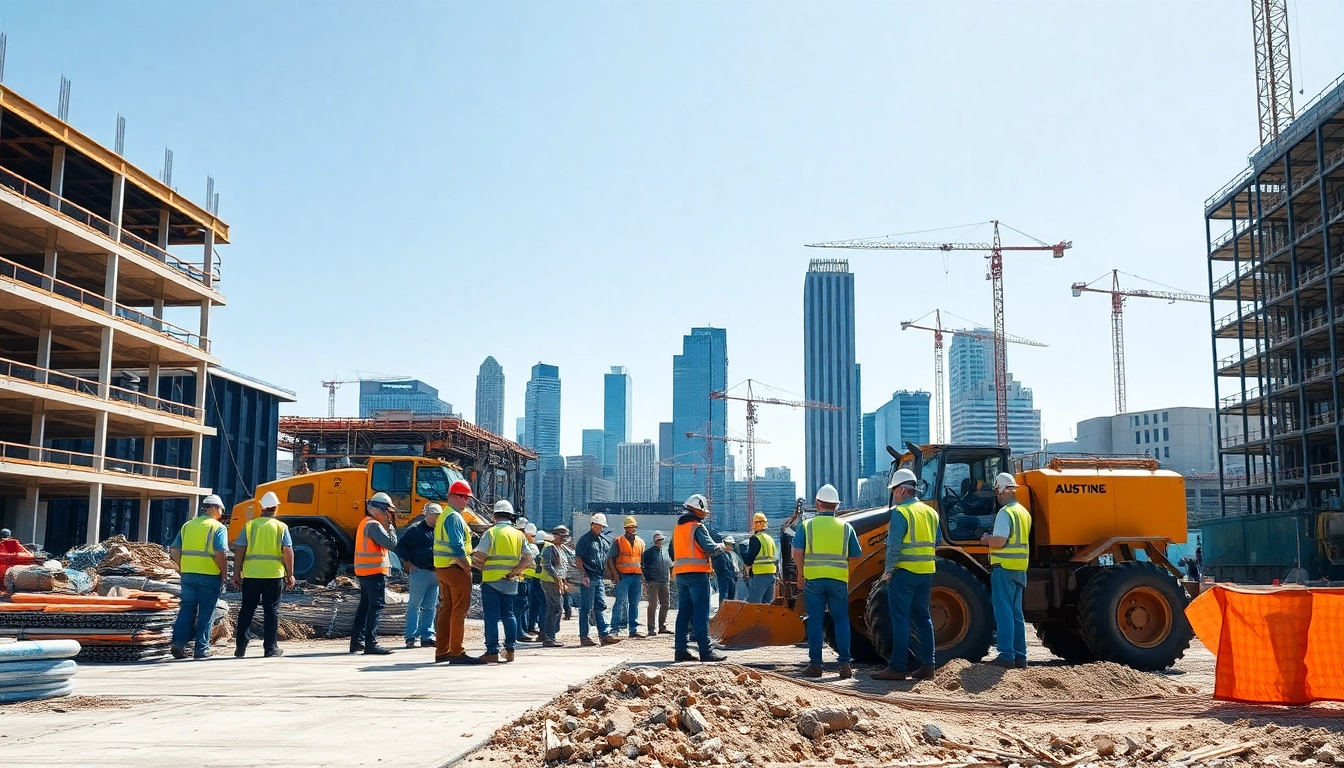
Current Trends in Austin Construction
The construction landscape in Austin is undergoing significant transformation, driven by a combination of innovation, sustainability, and changing consumer demands. As the city experiences rapid growth, the construction industry adapts, integrating new methodologies and technologies to streamline processes and improve environmental outcomes. A deep dive into the current trends reveals a multidimensional perspective on how Austin construction is evolving to meet the needs of its residents and businesses alike.
Sustainable Building Practices
Sustainability is no longer a niche concept; it’s become a cornerstone of modern construction in Austin. Builders and developers are recognizing the importance of eco-friendly practices not only to comply with regulations but also to appeal to a growing demographic of environmentally conscious consumers. Sustainable building practices involve using renewable materials, enhancing energy efficiency, and minimizing waste throughout the construction process.
One notable example is the incorporation of green roofs and living walls, which provide natural insulation and improve air quality while promoting urban biodiversity. Additionally, builders are increasingly utilizing recycled materials in construction, ranging from reclaimed wood to repurposed steel, which minimizes the need for new sourcing and reduces overall project costs.
The City of Austin has implemented a comprehensive set of building codes that encourages sustainable design, including the Austin Energy Green Building program, which evaluates the sustainability of new developments. As more builders aim for certification under this program, it's compelling to see how sustainability can align with market demand, proving that green building is not only beneficial for the environment but also for business.
The Rise of Modular Construction
In recent years, modular construction has gained traction across the U.S., and Austin is no exception. This method involves prefabricating building components in a factory setting and then transporting them to the job site for assembly. The advantages are manifold: reduced construction time, improved quality control, and decreased labor costs.
In addition to being quicker to build, modular structures can be designed to meet stringent energy efficiency standards, further supporting sustainable practices in construction. Emerging companies in Austin are pioneering this approach, focusing on affordable housing options and commercial spaces. This method not only alleviates pressure on the local housing market by delivering swift, scalable solutions but also minimizes disruption in urban environments.
Smart Technology Integration
As technology continues to permeate various aspects of our lives, its influence on construction is undeniable. Smart technology integration into building designs is shaping the way structures operate, enhancing efficiency, security, and tenant comfort. The incorporation of Internet of Things (IoT) devices into construction projects enables real-time monitoring of energy consumption, air quality, and structural integrity.
Furthermore, advanced project management software that utilizes AI has streamlined operations, allowing for better scheduling, budgeting, and communication among stakeholders. Smart buildings in Austin are becoming the norm, with features such as automated lighting, advanced HVAC systems, and even energy production capabilities from solar panels.
As these technologies are adopted, they are not merely trends but indicators of a broader cultural shift towards embracing a fully connected and sustainable approach to living and working in Austin.
Challenges Facing Austin Constructors
Despite the vibrant opportunities present in Austin’s construction sector, various challenges persist that demand attention from industry stakeholders. These hurdles can affect everything from project timelines to overall project viability and profitability.
Navigating Regulatory Landscapes
The regulatory environment in Austin is complex and continuously evolving. Builders must navigate zoning laws, building codes, and environmental regulations, which can vary significantly from one neighborhood to another. The intricacy of local regulations can lead to delays and increased costs if not managed properly.
Additionally, there is increasing scrutiny over environmental impact assessments, particularly for projects that might disrupt local ecosystems. Developers often need to invest considerable time and resources into compliance, making the expertise of regulatory consultants invaluable.
Proactive engagement with local authorities and community stakeholders can mitigate these challenges. By fostering collaborative relationships, constructors can gain insights into upcoming regulations and community expectations, allowing them to adjust project plans accordingly.
Labor Shortages in the Industry
Labor shortages are a pervasive issue affecting the entire construction industry, including in Austin. As the demand for new construction outpaces the supply of skilled labor, this shortfall can delay projects and inflate costs. The construction workforce is aging, and younger generations are often discouraged from entering the field due to perceptions surrounding job stability and pay levels.
To combat this challenge, many construction companies are investing in training and apprenticeship programs that focus on developing skills in the workforce. Partnerships with local vocational schools and community colleges aim to attract young talent to the industry, emphasizing the rewarding career paths available within construction.
Moreover, companies adopting advanced construction technologies may find efficiencies that mitigate the impacts of labor shortages. For instance, by employing robotic automation and AI-driven construction management tools, organizations can enhance productivity and optimize workforce deployment.
Supply Chain Disruptions
The construction industry has faced significant supply chain disruptions, exacerbated by global events such as the pandemic and geopolitical tensions. Fluctuations in material costs and availability can lead to budget overruns and project delays, placing further strain on already stretched construction timelines.
To navigate these challenges, constructors in Austin are increasingly looking at more localized supply chains or diversifying their material sources to mitigate risk. Establishing solid relationships with suppliers and leveraging technology to forecast demand can enable better planning, ensuring that projects proceed as smoothly as possible.
Incorporating just-in-time inventory strategies can also reduce the impact of sudden shortages, ensuring that materials arrive precisely when needed without causing delays.
Key Players in Austin's Construction Sector
Understanding the landscape of Austin’s construction sector includes getting to know the key players that drive its growth and innovation. From established companies to emerging startups, each entity plays a pivotal role in the ecosystem.
Leading Construction Companies
Austin is home to several leading construction companies known for their comprehensive scope of work and commitment to quality. Among these, companies such as D. R. Horton and PulteGroup stand out for their significant contributions to residential and commercial projects. These firms not only prioritize innovative design but also integrate sustainable practices and cutting-edge technologies into their projects.
Furthermore, local construction firms like Austin Commercial have made their mark by specializing in large-scale commercial projects, demonstrating strong expertise in navigating the complexities of Urban Construction. Their focus on client customization sets them apart in a competitive landscape.
Up-and-Coming Startups
Austin’s construction sector is also witnessing a wave of innovative startups that bring fresh ideas and disruptive technologies to the table. Firms such as ICON, which is pioneering 3D printing technology for homes, are redefining construction timelines and affordability. Another notable startup, BuildBuddy, is developing software solutions that streamline project management and enhance communication among teams.
These startups are not only addressing contemporary challenges but also embodying the spirit of Austin’s entrepreneurial ecosystem, emphasizing creativity and sustainable solutions.
Collaboration Between Public and Private Sectors
Collaboration between public and private sectors is vital for addressing the complex challenges within the construction industry. Initiatives that encourage public-private partnerships have become more prominent, particularly concerning affordable housing and infrastructure development.
These partnerships enable efficient resource allocation, foster innovation, and often lead to more comprehensive solutions that benefit the community. For instance, programs aimed at enhancing urban infrastructure typically result in shared visions and joint efforts to address transportation, public spaces, and accessibility, impacting the overall quality of life in Austin.
Financial Insights: Cost Analysis for Austin Construction
Understanding the financial landscape is crucial for any construction project. Effective financial planning involves grasping the nuances of construction budgets, available financing options, and anticipating return on investment (ROI).
Understanding Construction Budgets
Creating an accurate construction budget is essential for the successful execution of any project. A construction budget should encompass all potential costs, including materials, labor, permits, and contingency funds for unexpected expenses. Given the current trends in fluctuating material prices, having a detailed and flexible budget is vital.
Many construction firms utilize software to project costs based on historical data and market trends, which helps provide better visibility into potential budget overruns. Regular budget reviews and updates throughout the project lifecycle ensure that financial constraints are kept in check, allowing teams to pivot when necessary.
Financing Options Available
Various financing options are available to construction companies, each catering to different needs. Traditional methods include bank loans and commercial mortgages, but alternatives like crowdfunding and investment partnerships are gaining popularity.
In Austin, local government grants and incentives for sustainable building practices can also play a key role in financing strategies. Understanding these options is crucial for developers looking to minimize upfront costs while maximizing project feasibility.
Leveraging relationships with local financial institutions can facilitate access to bespoke financing solutions tailored to specific project goals and requirements.
Return on Investment Considerations
Calculating the return on investment (ROI) for construction projects extends beyond mere financial metrics. While traditional ROI calculations focus on costs versus profits, holistic approaches consider factors such as community impact, sustainability, and long-term property value appreciation.
For example, projects with extensive green features may yield lower operational costs due to energy savings, enhancing their overall appeal and market value over time. In a market like Austin, where demand for sustainable living is on the rise, understanding these broader implications can inform better decision-making for developers.
Future Outlook for Austin Construction
The prospect of Austin's construction industry remains bright, underpinned by emerging technologies, community needs, and a strong commitment to sustainability. As the city continues to grow, assessing future opportunities and challenges is essential for all stakeholders.
Predicted Growth Areas
Forecasters predict substantial growth in the sectors of residential development, commercial real estate, and infrastructure improvements. Areas focused on tech and creative industries are likely to continue flourishing, driving demand for both commercial spaces and housing options. Additionally, the pursuit of affordable housing solutions is expected to gain momentum, with initiatives aimed at reducing barriers to entry for low-income families. This segment represents a critical area of growth that aligns with both social responsibility and potential profitability.
Innovative Building Technologies
As technological advances continue to reshape the construction industry, we anticipate even greater innovation in Austin. The proliferation of AI, machine learning, and augmented reality will likely enhance project management and increase efficiency further.
Moreover, developments in sustainable materials—such as self-healing concrete and energy-generating bricks—will complement Austin’s push towards greener building practices. Builders who embrace these technologies early will position themselves competitively for the future.
Community Impact and Development
The long-term success of construction endeavors hinges on the impact they have on local communities. Projects that prioritize affordable housing, public spaces, and environmental sustainability are more likely to receive community support, ultimately leading to smoother project execution.
Engaging with community members and addressing their concerns from the outset not only builds goodwill but also ensures projects align with local interests and needs. Successful construction in Austin will require a holistic approach that considers economic, social, and environmental dimensions, aiming to create spaces that are beneficial for all and fostering vibrant, sustainable growth.