
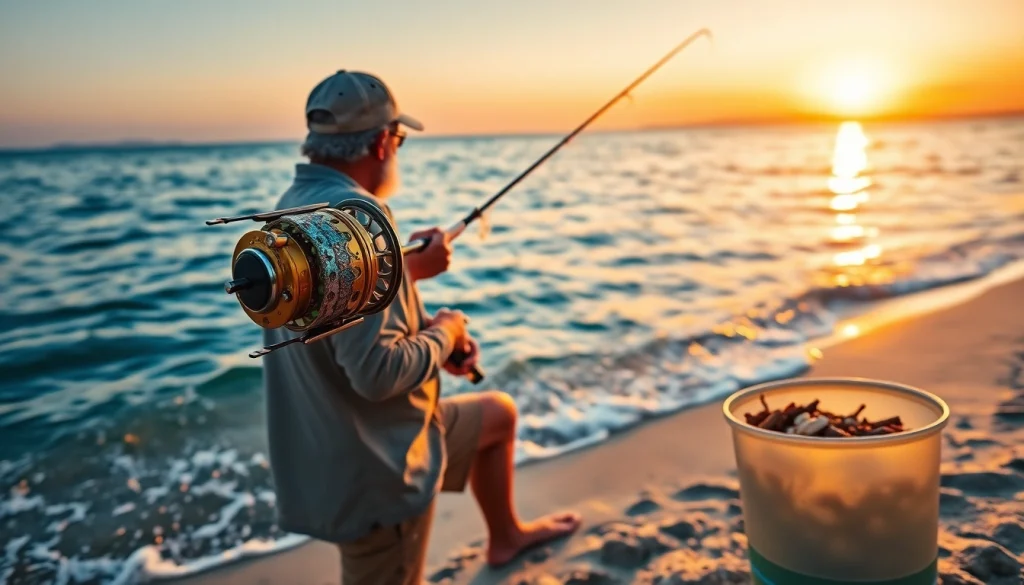
The Basics of Saltwater Fly Fishing
Saltwater fly fishing is an exhilarating and challenging pursuit that allows anglers to connect with nature and test their skills against some of the ocean’s most elusive species. Unlike freshwater fishing, where techniques and tactics may be more straightforward, saltwater fly fishing requires a deeper understanding of the ecosystem, gear selection, and specialized techniques. Whether you are a seasoned angler or a newcomer, mastering the fundamentals is essential for a successful outing. In this detailed guide, we will delve into everything you need to know about saltwater fly fishing, ensuring you are well-prepared to tackle the open waters.
Understanding the Equipment
The right equipment is crucial for effective saltwater fly fishing. Unlike freshwater gear, saltwater equipment is designed to withstand the harsh marine environment, including saltwater corrosion and strong currents. Here are the key components:
- Fly Rods: Choose a fly rod with a higher weight rating, typically between 8 and 12 weight, to effectively cast larger flies and manage heavier fish.
- Fly Reels: A solid, durable reel with a strong drag system is vital for managing the fast runs of saltwater fish.
- Fly Lines: Use weight-forward floating lines for most applications, but consider sinking lines for deeper water fishing or when targeting fish near the bottom.
- Leaders and Tippet: Use a strong fluorocarbon leader for its invisibility underwater and resistance to abrasion, especially when fishing near rocky structures or coral reefs.
- Flies: The choice of flies is pivotal to success, and we will delve into the most effective patterns later in this article.
Choosing the Right Locations
Saltwater fly fishing offers a diverse array of locations, from sandy beaches to rocky shorelines and bustling estuaries. When deciding where to fish, consider the following:
- Geography: Identify areas with good access to saltwater fish species such as bonefish, tarpon, and permit. Popular locations include the Florida Keys, the Bahamas, and the coast of Belize.
- Tides: Understanding tidal movement is critical. Fish are often more active during tidal changes when baitfish are pushed into feeding zones.
- Weather Patterns: Wind and weather can impact visibility and fish behavior. Overcast days might encourage fish to move shallower, while bright sunshine may push them to deeper waters.
- Local Resources: Connecting with local bait shops or guides can provide valuable insights into productive locations and seasonal patterns.
Fundamental Techniques for Beginners
As a beginner, mastering the fundamental techniques of saltwater fly fishing will enhance your experience and increase your chances of success. Focus on developing the following skills:
- Improved Casting: Practice casting techniques such as the double haul and overhead cast to improve distance and accuracy.
- Presentation: Understanding how to present your fly naturally to mimic live bait is essential. Fish can be wary of unnatural movements.
- Stripping Techniques: Different stripping techniques can trigger strikes. Vary your retrieve speed and rhythm to see what works best for the specific species you are targeting.
- Setting the Hook: Timing is critical when it comes to setting the hook. Wait until you feel a solid pull before making a quick but firm upward motion.
Essential Fly Patterns for Saltwater Fishing
The effectiveness of your saltwater fly fishing often hinges on the patterns you choose. Selecting the right fly can spell the difference between a successful day or leaving empty-handed. Understanding the essentials is key.
Popular Saltwater Fly Patterns
Some of the most effective saltwater fly patterns include:
- Clouser Minnow: A dual-colored baitfish imitation that works well for a variety of species.
- EP Mullet: Mimics the common mullet, attracting predators like tarpon and snook.
- Bonefish Special: Designed for stealthy presentations to wary bonefish, usually fished in clear shallows.
- Tarpon Fly: Flies specifically designed for tarpon fishing often have a larger profile and are designed to float or dive quickly.
Matching Flies to Local Baitfish
One of the most crucial aspects of fly selection is matching your patterns to the local baitfish. Understanding the species prevalent in the area will improve your success rate vastly. Research local fishing reports or speak to local anglers and guides about the current baitfish patterns. For example:
- Availability: Know the size, color, and species of baitfish in the area.
- Seasonal Changes: Some baitfish will be more prevalent during certain seasons. Fly patterns might need to be adjusted accordingly.
- Feeding Habits: Observe how fish are feeding; are they chasing baitfish at the surface, or are they diving deep? This can influence your fly choice and presentation.
How to Tie Your Own Saltwater Flies
Tying your own flies allows for customization and can save money over time. Here’s an essential overview of tying saltwater flies:
- Select Materials: Choose high-quality materials that will withstand the saltwater environment. Common materials include synthetic fibers, hooks, and beads.
- Establish a Foundation: Start by securing your hook in a vise, thread the tying thread, and build a base.
- Layering: Add materials in layers, ensuring you create a profile that mimics local baitfish, adjusting colors and sizes to match conditions.
- Finishing Touch: Use head cement to secure the fly head, which will keep it intact during casting and retrieves.
Advanced Techniques For Seasoned Anglers
For those looking to elevate their saltwater fly fishing game, delving into advanced techniques can yield exceptional results. Here are some strategies to consider:
Strategies for Targeting Specific Species
Understanding the behaviors of specific targeted species will refine your catching techniques. Consider the following species-specific tactics:
- Bonefish: Fish during early morning or late afternoon, using stealthy approaches and delicate presentations.
- Tarpon: Focus on warmer months and look for them near mangroves or in channel entrances during migration.
- Permit: These fish are notorious for being finicky. A precise cast to a visible fish with minimal splash is crucial for success.
Reading Tides and Weather Patterns
Being able to read tides and weather conditions is essential. Saltwater fish are influenced heavily by both:
- Tide Phases: Low tides can expose flats where fish feed, while rising tide often brings bait into the shallows.
- Weather Fronts: Fish often feed aggressively in the aftermath of storms or cold fronts as they are drawn to the more stable conditions.
- Wind Conditions: Wind affects both casting and fly presentation. Favorable wind conditions will determine the direction you approach your fishing spot.
Leveraging Local Knowledge and Resources
Never underestimate the power of local knowledge. Engaging with experienced anglers and guides can offer insights that dramatically increase your effectiveness:
- Local Guides: Hiring a local guide not only benefits you with their expertise, but they will also know the best spots, tactics, and gear required for the season.
- Fishing Reports: Regularly check fishing reports to stay updated on local conditions and successful patterns.
- Community Resources: Engage with local fly fishing clubs or forums to gain insights, tips, and camaraderie among fellow enthusiasts.
Best Practices for Sustainable Saltwater Fly Fishing
As responsible anglers, it is imperative to practice sustainable fishing methods to protect vulnerable ecosystems. Here are several best practices:
Understanding Conservation Efforts
Many saltwater species face pressures from overfishing and habitat loss. Understanding conservation efforts can help inform your practices:
- Catch and Release: Prioritize catch and release tactics to help maintain fish populations.
- Fishing Licenses: Ensure you have the proper licenses and are aware of local regulations to avoid illegal practices.
- Conservation Groups: Engage with local and national conservation organizations that focus on protecting marine habitats and fish stocks.
Handling Catches Responsibly
Properly handling catches increases their chances of survival when released. Keep the following in mind:
- Minimize Air Exposure: Keep fish in the water as much as possible and avoid prolonged air exposure.
- Use Wet Hands: Wet your hands before handling fish to minimize scale and slime damage.
- Barbless Hooks: Use barbless hooks to simplify removal and reduce injury to the fish.
Minimizing Your Environmental Impact
Taking steps to reduce your environmental footprint while fishing is essential. Follow these guidelines:
- Leave No Trace: Pack out everything you bring with you, ensuring you leave the environment free of trash.
- Respect Wildlife: Maintain a respectful distance from nesting birds and marine mammals.
- Use Eco-friendly Gear: Opt for environmentally friendly gear that reduces plastic and toxic material use.
Top Destinations for Saltwater Fly Fishing
Exploring the world’s top destinations for saltwater fly fishing can lead to unforgettable experiences. Here are some of the finest spots:
Exotic Locations to Try Around the World
Some of the most sought-after saltwater fly fishing destinations include:
- The Florida Keys: Known for its diverse fish populations, including tarpon and bonefish, the Keys offer a range of fishing experiences.
- Belize: Famous for its gin-clear waters and diverse species, Belize is a fly fisher’s paradise, especially for bonefish and permit.
- Christmas Island: Renowned for its giant trevally and endless flats, it is an idyllic destination for serious saltwater enthusiasts.
- Maui: The warm waters of Maui attract a variety of migratory fish, making it a unique fishing destination.
Local Guides and Charters
Utilizing local guides and charters not only enhances your fishing experience but ensures you are fishing sustainably:
- Expertise: Local guides know the best spots and the right techniques for catching target species.
- Gear Rental: Many charters provide high-quality gear and flies, saving you the hassle of transporting your own.
- Weather Insights: Guides are well-versed in local weather patterns and can adjust your trip for optimal conditions.
Planning Your Saltwater Fishing Trip
When planning a saltwater fly fishing trip, it’s crucial to prepare adequately:
- Research Conditions: Investigate the best seasons for the species you wish to target and plan accordingly.
- Accommodation: Look into nearby lodging options that cater specifically to fishing trips.
- Required Gear: Compile a checklist of necessary gear, ensuring that your equipment meets the conditions and species you’ll be targeting.
In conclusion, saltwater fly fishing is a rewarding yet demanding pursuit that requires knowledge, skill, and respect for the environment. By understanding the fundamentals, honing your skills, and employing sustainable practices, you can fully immerse yourself in this thrilling outdoor adventure. Whether you’re casting into the serene flats of Belize or battling a monster tarpon in the warm waters of the Florida Keys, each outing brings the potential for unforgettable memories and natural beauty. Equip yourself with the right tools, techniques, and knowledge to make the most of your saltwater fly fishing experience!