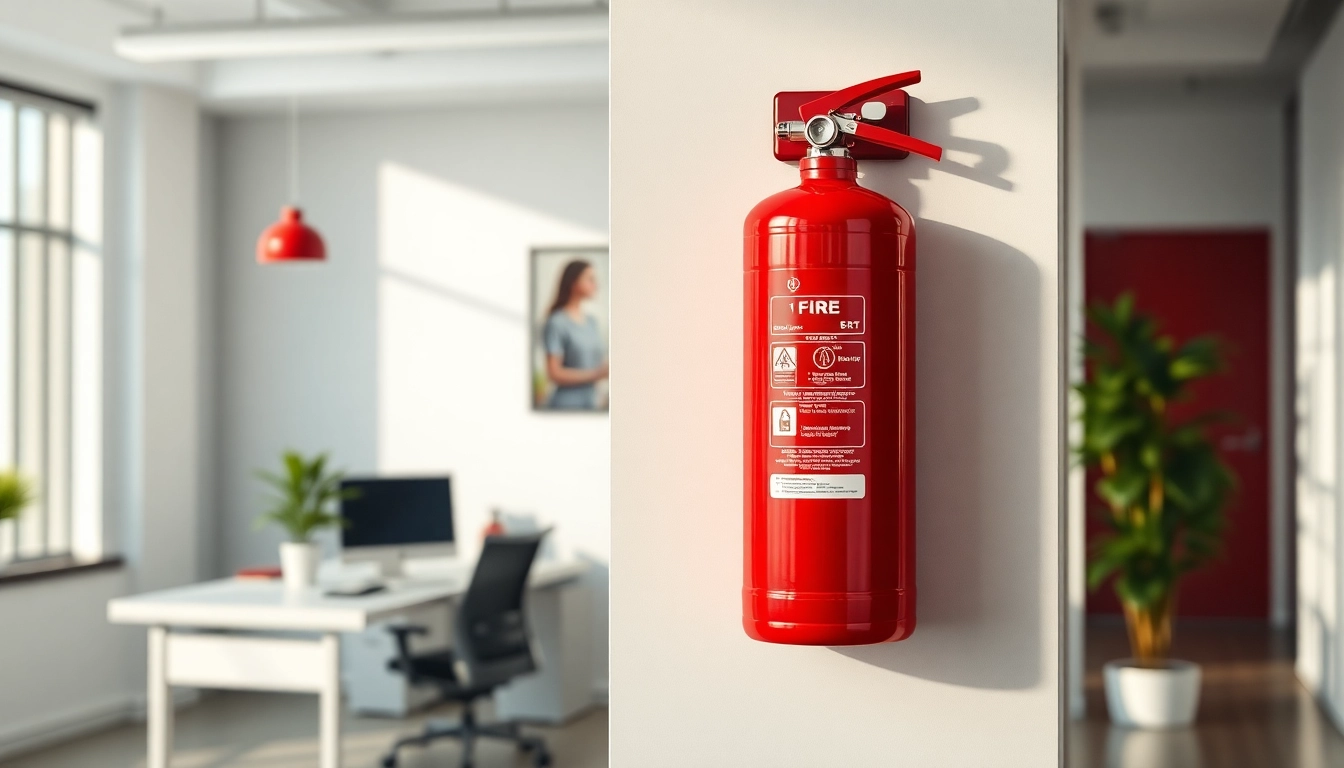
Understanding Electrical Fire Extinguishers
In our increasingly technology-driven environment, the risk of electrical fires is a growing concern. Workplaces and residences alike are filled with various electrical devices, making it essential to be equipped with the right fire suppression tools. One crucial tool in this fight against electrical fires is the electrical fire extinguisher. This article will delve into the many facets of electrical fire extinguishers, from understanding their specific purpose to ensuring effective fire safety measures in your environment.
What Is an Electrical Fire Extinguisher?
An electrical fire extinguisher is designed specifically to combat fires that originate from electrical equipment. These fires are classified as Class C fires and typically arise from short circuits, faulty wiring, or overloaded circuits. Unlike conventional extinguishers, using water to extinguish an electrical fire is hazardous, as it can conduct electricity and increase the risk of electrocution. Therefore, a specialized extinguisher that is safe for use on electrical fires is necessary.
Types of Electrical Fire Extinguishers
Electrical fire extinguishers come in several types, each formulated for specific circumstances. Here are the primary categories:
- CO2 Fire Extinguishers: These are filled with carbon dioxide and are highly effective against electrical fires. They work by displacing oxygen and smothering the fire without causing electrical damage.
- Dry Chemical Extinguishers: These extinguishers are filled with powdered chemicals that interrupt the chemical reaction of the fire. A common type is the ABC dry chemical extinguisher, which is rated for class A, B, and C fires.
- Clean Agent Extinguishers: These utilize halon or other non-toxic agents that extinguish flames without leaving a residue. They are ideal for use in areas with sensitive equipment.
How Electrical Fire Extinguishers Work
The operation of an electrical fire extinguisher can differ depending on its type. CO2 extinguishers release carbon dioxide gas that suffocates the fire, effectively depriving it of the oxygen it needs to sustain combustion. Dry chemical extinguishers, on the other hand, work by creating a barrier between the fuel and the oxygen, interrupting the combustion process. Clean agent extinguishers function similarly but are designed to leave no residue, making them suitable for use in areas with delicate electronics, such as server rooms or laboratories.
Common Causes of Electrical Fires
Understanding what causes electrical fires can help in both prevention and preparation. Here are the most common culprits:
Faulty Wiring and Equipment
Faulty wiring is often the leading cause of electrical fires. Over time, electrical wires can become damaged or frayed due to wear and tear, leading to arcing and sparking, which can ignite surrounding materials. Additionally, using appliances with faulty cords or components can significantly increase the risk of fire.
Overloaded Circuits
When too many devices are plugged into one circuit, the circuit can become overloaded. This overload can lead to overheating and, ultimately, fires. Using multiple extension cords or plugging devices into a single outlet without appropriate monitoring often leads to dangerous situations.
Heating Equipment Hazards
Heating devices such as space heaters, irons, and other high-heat equipment can pose significant risks. If these devices are placed too close to flammable materials or left unattended, the risk of fire can be markedly increased. It’s imperative to follow manufacturer guidelines for safe usage and provide adequate spacing from potential combustibles.
Choosing the Right Extinguisher for Your Environment
Choosing the correct extinguisher is not a one-size-fits-all process; it should take into account the specific risks present in your environment.
Identifying Class C Fires
Class C fires are initiated by electrical sources and require specific extinguishing agents to quench. Identifying potential electrical hazards in your home or workplace is vital. Look for areas with numerous electrical devices, outdated or frayed wires, and usage of high-wattage appliances, as these are all potential risk zones.
Considerations for Different Settings
The setting in which you operate can greatly influence your choice of extinguisher. For instance, residential settings might primarily need CO2 extinguishers for appliances and lighting fixtures, while commercial spaces, such as factories, may require multi-purpose extinguishers that comply with regulatory systems and can handle various classes of fires. Always perform a risk assessment to determine which areas are most susceptible to ignition.
Maintenance and Inspection Importance
Consistent upkeep of fire extinguishers is essential in ensuring they function properly during an emergency. Regular inspection involves checking pressure levels, looking for damage or corrosion, and ensuring that extinguishers are easily accessible and visible. Many safety regulations mandate inspections at specific intervals, so consulting with local fire safety laws is advisable.
Best Practices for Fire Safety
Employing best practices for fire safety can dramatically decrease the chances of encountering an electrical fire along with preparing you for an effective response should one occur.
Creating a Fire Safety Plan
A comprehensive fire safety plan should encompass clear evacuation procedures, designated meeting points, and regular fire drills. Employees or family members should be trained on how to use an electrical fire extinguisher effectively and should be aware of the locations of extinguishers. Written plans should be distributed and reviewed periodically to ensure everyone understands the procedures.
Regular Training for Employees
Regular training in fire safety protocols, including how to use extinguishers correctly, can save lives. In commercial settings, fire drills should happen at least once a quarter, integrating the use of extinguishers into these drills to develop muscle memory and familiarity. Furthermore, ongoing educational sessions about recognizing electrical hazards can help foster a culture of safety in the workplace.
Implementing Fire Safety Equipment Protocols
Incorporate checklists for fire safety equipment, including extinguishers, alarms, and emergency lights to ensure they are in working order. Establishing a routine for checking that extinguishers are correctly positioned and easily accessible can remove obstacles during a fire emergency. Additionally, creating a feedback system whereby employees can report any safety concerns can also enhance safety protocols.
Regulatory Standards and Compliance
Understanding and complying with fire safety regulations is paramount for both residential and commercial properties. Many regulations set by local, state, and federal authorities specify how many fire extinguishers are needed, their placement, and maintenance requirements.
Understanding Fire Safety Regulations
Fire safety regulations often incorporate specific guidelines for electrical fire extinguishers, including their classification, capacity, and maintenance frequency. Familiarizing yourself with these regulations can elucidate the best practices for your specific environment. Organizations such as the National Fire Protection Association (NFPA) provide a wealth of resources and guidelines for compliance.
Ensuring Compliance with Local Laws
You should always review local laws governing fire safety. Local fire marshals often audit businesses for compliance and can provide insights about specific regulations in your area. Having a compliance checklist can help you prepare for inspections and ensure that your workplace meets all required fire safety standards.
The Role of Inspections and Certifications
Regular inspections by certified professionals can help identify weaknesses in your fire safety strategy. These inspections should be documented, showing that your premises comply with local and national fire safety standards. Certifications of your fire extinguishers and equipment should be maintained and updated to ensure confidence in the ability to respond effectively to a fire emergency.
By understanding the intricacies of electrical fire extinguishers, recognizing the common causes of electrical fires, and implementing comprehensive fire safety practices, you can significantly bolster your readiness against potential electrical fire hazards. Safety should always be a priority, and being well-equipped with knowledge and tools is the first step toward ensuring that safety becomes a part of your everyday routine.