
Understanding Different Types of Microwave Ovens
Choosing the right microwave oven is crucial for every kitchen, as these versatile appliances offer a variety of options tailored to diverse cooking needs. Understanding the different types can help you make an informed decision about which style fits best in your cooking space.
Countertop Microwave Oven Overview
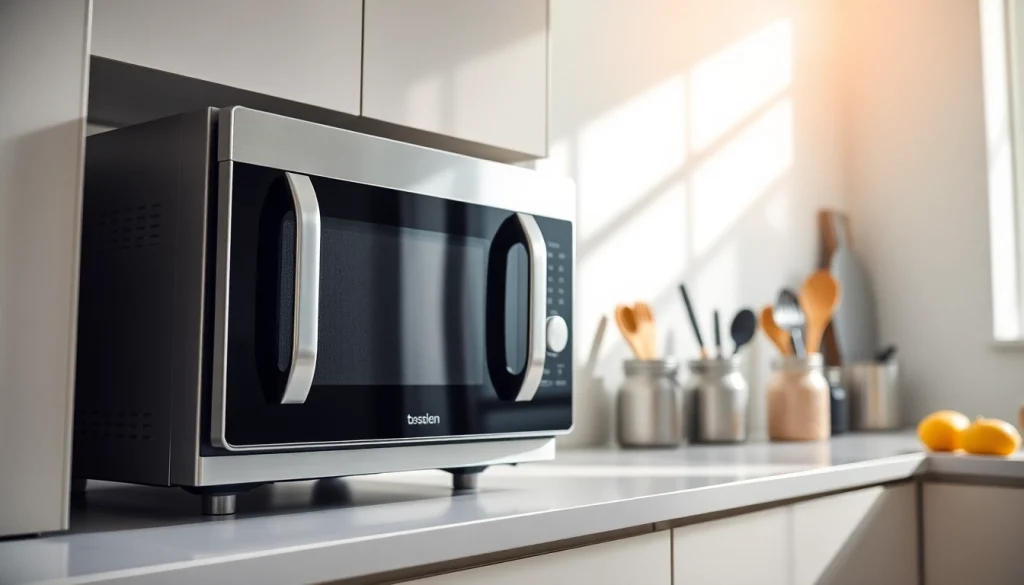
Countertop microwave ovens are perhaps the most recognizable type, widely used due to their convenience and straightforward design. These models sit on your kitchen counter and offer a range of sizes from compact options suitable for small apartments to larger units capable of holding multiple dishes.
They primarily utilize microwave radiation to heat and cook food rapidly, making them ideal for reheating leftovers and cooking simple meals. Most countertop microwaves come with preset functions for specific dishes and can be equipped with various power levels, allowing you to adjust cooking times and intensity according to the food being prepared.
Convection Microwave Oven Features
For those who want more versatility, convection microwave ovens are a fantastic option. These appliances combine traditional microwave cooking techniques with convection heating, employing a fan to circulate hot air around food. This method results in more even cooking and browning, similar to conventional ovens but much faster.
Key features often include multiple cooking modes such as bake, roast, and grill, making them suitable for baking cakes or browning meats, while still offering typical microwave functions. This dual functionality appeals to bakers and cooks alike, optimizing meal preparation time while still delivering quality results.
Over-the-Range Microwave Oven Benefits
Over-the-range microwaves are designed to be installed above the kitchen range, serving a dual purpose: providing cooking power and function while saving precious counter space. They generally feature a venting system that helps eliminate smoke, steam, and odors from cooking on the stove below, making them essential in smaller kitchens.
These models often come equipped with additional features like integrated lights to illuminate your cooking area and exhaust fans that can function in either ducted or ductless configurations, depending on your kitchen setup. Their space-saving design combined with practical cooking capabilities makes over-the-range microwaves a smart choice for efficient kitchen use.
Key Features to Consider in a Microwave Oven
Power Levels and Cooking Modes
One of the first aspects to consider when purchasing a microwave oven is the power level. Units usually range from 600 to 1,200 watts, affecting how quickly and evenly food cooks. Higher wattage tends to cook food faster but may also use more energy.
Additionally, various cooking modes (defrost, popcorn, reheat, etc.) are essential for ensuring that different types of food can be prepared optimally. A microwave with multiple power settings allows you to cook a wider variety of dishes, making it a more versatile kitchen tool.
Size and Capacity Evaluations
Before purchasing a microwave oven, consider the space available in your kitchen and the capacity you require. Microwave ovens can range from 0.5 cubic feet, which is suitable for single servings, up to over 2.0 cubic feet, ideal for large families or entertaining.
Measuring the space where the microwave will be placed is vital. Ensure there is room not only for the microwave itself but also for ventilation, as adequate airflow is necessary for efficient operation. Additionally, larger microwave ovens generally have more multifunctional capabilities, allowing them to serve as more than just a reheating tool.
Energy Efficiency Ratings Explained
Energy efficiency is another crucial consideration. Look for microwave ovens with good energy ratings, which indicate that they consume less electricity without compromising performance. Some manufacturers provide energy-saving modes that can help reduce energy consumption during use.
In general, an energy-efficient microwave not only saves you money on utility bills but also contributes to a more sustainable household by reducing your carbon footprint. Checking for Energy Star certification can be a good starting point for finding energy-efficient models.
Setting Up Your Microwave Oven Effectively
Installation Best Practices
Proper installation of your microwave oven is essential for optimal performance and safety. For countertop models, ensure that it’s placed on a stable, flat surface away from flammable materials. Over-the-range models should be securely mounted per the manufacturer’s instructions to prevent accidents.
Utilizing professional installation services may be beneficial, especially for complex installations, as improper setup can lead to issues such as poor ventilation, which might affect cooking performance and safety.
Optimal Placement for Performance
Optimal placement enhances your microwave oven’s functionality. Keep at least a few inches of space around the unit to allow for heat dissipation. Selecting a location that is easily accessible can simplify daily use, reducing the risk of accidents.
Moreover, placing the microwave near other cooking appliances can streamline meal preparation, allowing for a more efficient cooking process.
Common Setup Mistakes to Avoid
Avoid placing your microwave in cramped or blocked spaces that can hinder airflow. Additionally, neglecting to check the power supply requirements can lead to operational issues. Ensure that the microwave plugs directly into a grounded outlet to prevent electrical hazards.
Also, avoid using extension cords, as these can pose fire hazards and may lead to electrical malfunctions in the microwave.
Microwave Oven Maintenance Tips
Cleaning Your Microwave Oven Safely
Regular cleaning is essential for the longevity and performance of your microwave oven. Use non-abrasive cleaners or a mixture of vinegar and water to clean the interior, effectively removing stains and odors. Wiping down surfaces after each use can minimize the buildup of grease and particles.
For more stubborn stains, place a bowl of water mixed with lemon juice inside and run the microwave for a few minutes. The steam will help loosen debris, making it easier to wipe clean.
Extending the Lifespan of Your Microwave Oven
To ensure a long lifespan, always follow the manufacturer’s guidelines for use. Avoid overloading the microwave and refrain from using inappropriate containers that may not be microwave-safe.
Regularly check for any signs of malfunction, such as unusual noises or failing displays, and address these issues quickly to prevent further damage.
Identifying Common Issues
Common issues with microwave ovens include uneven cooking, door problems, and failure to start. If food is not heating evenly, consider rearranging items in the microwave or using the turntable if available.
If the door does not close properly, there may be debris obstructing the latch, or the door hinges may need adjustment. Problems starting the microwave might be indicative of a blown fuse, requiring inspection or professional repair.
Frequently Asked Questions about Microwave Ovens
What is the ideal wattage for a microwave oven?
The ideal wattage typically ranges from 800 to 1,200 watts, providing enough power for most cooking tasks, ensuring efficiency and speed in meal preparation.
Can I use metal in a microwave oven?
No, using metal in a microwave oven can cause sparks and potentially start a fire. Always use microwave-safe containers to ensure safety and proper operation.
How do I prevent odors in my microwave oven?
To prevent odors, regularly clean your microwave and place a bowl of vinegar or lemon juice inside while running it for a few minutes to neutralize smells.
Are there any health risks associated with microwave ovens?
When used correctly, microwave ovens are considered safe. Concerns are often related to improper use, such as using non-microwave-safe containers or prolonged exposure.
How to troubleshoot my microwave oven if it stops working?
First, check the power source and ensure it’s plugged in. Inspect for blown fuses, and if problems persist, consult the manufacturer’s guidelines or a qualified technician.