
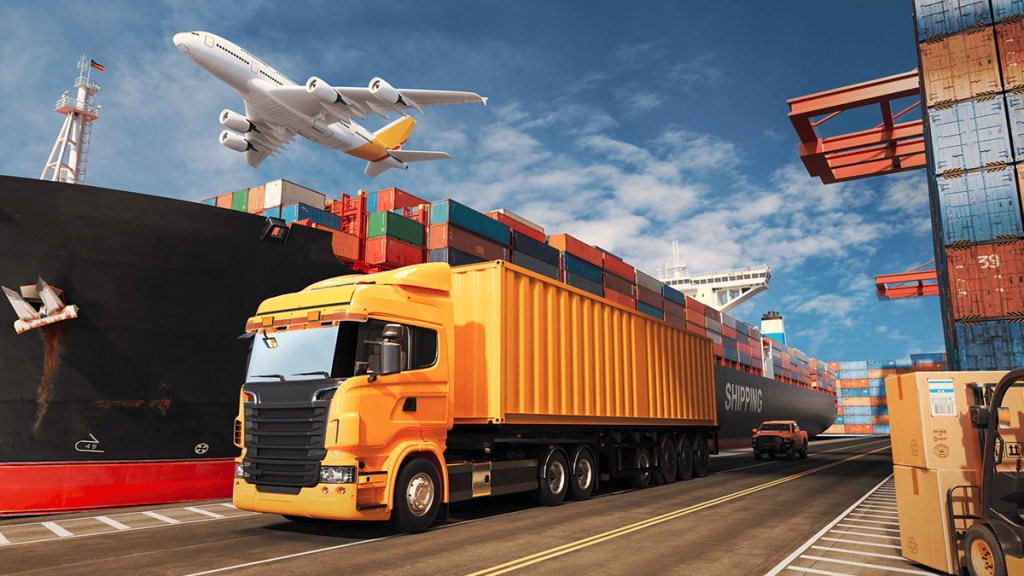
Introduction to Transportation Systems
Transportation is the backbone of any society, facilitating the movement of people and goods across vast distances. The need for efficient transportation systems has transcended time, integral to economic development and social interaction. As urbanization accelerates, understanding and improving transportation networks becomes more critical than ever in ensuring accessibility, sustainability, and economic vitality. This article delves into the multifaceted nature of transportation, exploring its definition, key components, history, various types, technological innovations, challenges, and future directions.
Definition and Importance of Transportation
Transportation, defined as the intentional movement of humans, animals, and goods, plays a pivotal role in global economies and societies. It encompasses various systems and processes that allow for mobility and accessibility. Efficient transportation is crucial not only for reducing travel time and costs but also for fostering economic growth, enhancing quality of life, and enabling social interactions across geographical boundaries. In today’s interconnected world, transportation acts as a facilitator of trade, tourism, and the exchange of ideas, underpinning various sectors from retail to healthcare.
Key Components of Transportation Networks
The framework of transportation systems comprises several critical components:
- Infrastructure: This includes physical facilities like roads, bridges, railways, airports, and ports that support transportation activities.
- Vehicles: The modes of transportation, ranging from cars and buses to trains and airplanes, facilitate the movement of passengers and freight.
- Operations: This refers to the processes and management practices involved in executing transportation services effectively and efficiently.
- Policies and Regulations: Governing rules and frameworks that ensure safety, environmental sustainability, and successful operation of transportation systems.
History of Transportation Development
The evolution of transportation is a reflection of human ingenuity and the desire to overcome physical obstacles. From early thrusts to the invention of the wheel, every breakthrough in transportation technology has significantly impacted society’s structure:
- Ancient Times: Horse-drawn carts and boats facilitated trade and communication among earliest civilizations.
- Industrial Revolution: The steam engine revolutionized land and sea travel, leading to railroads and steamships that expanded commerce.
- 20th Century: The automobile became the most common mode of personal transport, while aviation opened up global travel.
- Modern Developments: The rise of electric and autonomous vehicles marks the next chapter in transportation history, focusing on sustainability and efficiency.
Types of Transportation
Understanding the various types of transportation is essential for gauging their applications and impacts. They can generally be classified into three main categories: land, air, and water transportation.
Land Transportation Modes
Land transportation is characterized by the movement of people and goods on roads and tracks. It can be divided into several modes:
- Road Transport: The dominance of cars, motorcycles, buses, and trucks for personal and freight transportation. Efficiency and flexibility are key benefits, while issues such as traffic congestion and pollution pose challenges.
- Rail Transport: Trains provide an efficient means of transporting large numbers of passengers and freight over long distances. High-speed trains have transformed intercity travel, while freight trains are vital for transporting bulk goods.
- Public Transport: Includes buses, trams, and subways designed to carry numerous passengers efficiently. Public transport systems are crucial for reducing urban congestion and preventing environmental degradation.
Air Transportation
Air travel has dramatically changed how we connect across long distances. The major components include:
- Commercial Airlines: Facilitate passenger travel across domestic and international routes, contributing to globalization and tourism.
- Cargo Airlines: Dedicated services for transporting goods quickly across vast distances, crucial for international trade.
- General Aviation: Includes private pilots and non-commercial aviation activities, offering localized air transport options.
Water Transportation
Water transport remains a crucial method for both cargo and passenger movement. It typically includes:
- Shipping: Container ships transport goods globally, and maritime transport accounts for a significant portion of international freight movement.
- Ferries and Cruise Ships: Commercial ferries and cruises provide passenger services across water bodies, enhancing tourism and inter-island connectivity.
- Fishing and Leisure Boats: Smaller vessels facilitating local transportation and recreational activities.
Innovations in Transportation Technology
Recent advancements in technology are redefining transportation systems globally. The integration of modern technologies improves efficiency, safety, and sustainability.
Smart Transportation Systems
Smart transportation systems (STS) utilize technology to enhance transportation efficacy. Examples include:
- Intelligent Transportation Systems (ITS): Use sensors, cameras, and data analytics to improve road management, traffic flow, and safety.
- Real-time Data Sharing: Provides updates on traffic conditions, public transport schedules, and route optimization.
- Connected Vehicles: Integration of vehicle-to-everything (V2X) technology allows vehicles to communicate with each other and surrounding infrastructure for safer travel.
Electric and Autonomous Vehicles
The shift towards electric and autonomous vehicles represents a significant transformation in transport. Key considerations include:
- Sustainability: Electric vehicles (EVs) help reduce greenhouse gas emissions and dependency on fossil fuels, leading to cleaner urban air.
- Autonomous Technology: Self-driving vehicles promise enhanced safety and efficiency, with significant implications for urban planning and logistics.
Innovative Public Transit Solutions
Modern public transit solutions are rethinking how communities connect. Innovations include:
- Mobility as a Service (MaaS): Integrates various modes of transport within a single accessible framework, providing users with personalized and efficient mobility options.
- On-demand Services: Ride-sharing and microtransit options offer flexibility and convenience, allowing users to schedule transport according to their needs.
Challenges in Transportation
Despite significant advancements, numerous challenges continue to afflict transportation systems. Addressing these is imperative for sustainable development.
Traffic Congestion and Pollution
Urban areas grapple with rampant traffic congestion which leads to increased travel times and pollution levels. Solutions for mitigation include:
- Infrastructure Investment: Enhancing road networks, expanding transit options, and integrating bicycle lanes to alleviate congestion.
- Smart Traffic Management: Implementing responsive traffic lights, congestion pricing, and carpooling incentives to optimize vehicle flow.
Accessibility Issues in Transportation
Accessibility in transportation remains a pressing concern, especially for elderly and disabled populations. Strategies to enhance accessibility include:
- Universal Design: Ensuring that public transportation systems cater to users with mobility challenges.
- Community Engagement: Seeking input from diverse demographic groups when designing transportation systems.
Funding and Infrastructure Challenges
The rapid demands on infrastructure often outpace funding capabilities. Addressing these challenges requires innovative approaches including:
- Public-Private Partnerships: Leveraging private investment for public transportation projects can provide necessary funding and expertise.
- Grants and Funding Programs: Encouraging local, state, and federal support to enhance transport infrastructure.
Future of Transportation
As technological innovations continue to evolve, the future of transportation will undoubtedly be marked by significant changes. Key trends include enhanced sustainability, efficiency, and inclusivity.
Emerging Trends in Sustainable Transport
Sustainability is becoming a core tenet of transportation planning. Future trends include:
- Electrification of Transport: Transitioning fleets to electric vehicles and augmenting charging infrastructure will play a pivotal role in reducing emissions.
- Public Transit Innovations: Continued investment in efficient public transport options that reduce reliance on personal vehicles.
The Role of Technology in Future Transportation
Technology will continue to reshape how we perceive and engage with transportation. Innovations include:
- Big Data and Analytics: Utilizing vast quantities of data to inform policy decisions and improve operational efficiencies across transportation networks.
- Blockchain Technology: Enhancing supply chain visibility and efficiency through decentralized record-keeping for logistics and freight transport.
Policy Implications for Transportation Development
As the transportation landscape evolves, policymakers must adapt regulations to ensure sustainable, safe, and efficient systems. This includes:
- Regulatory Reforms: Updating existing regulations to accommodate the rise of autonomous and shared mobility.
- Funding Strategies: Developing comprehensive funding approaches that support long-term infrastructure investments aimed at sustainability.