
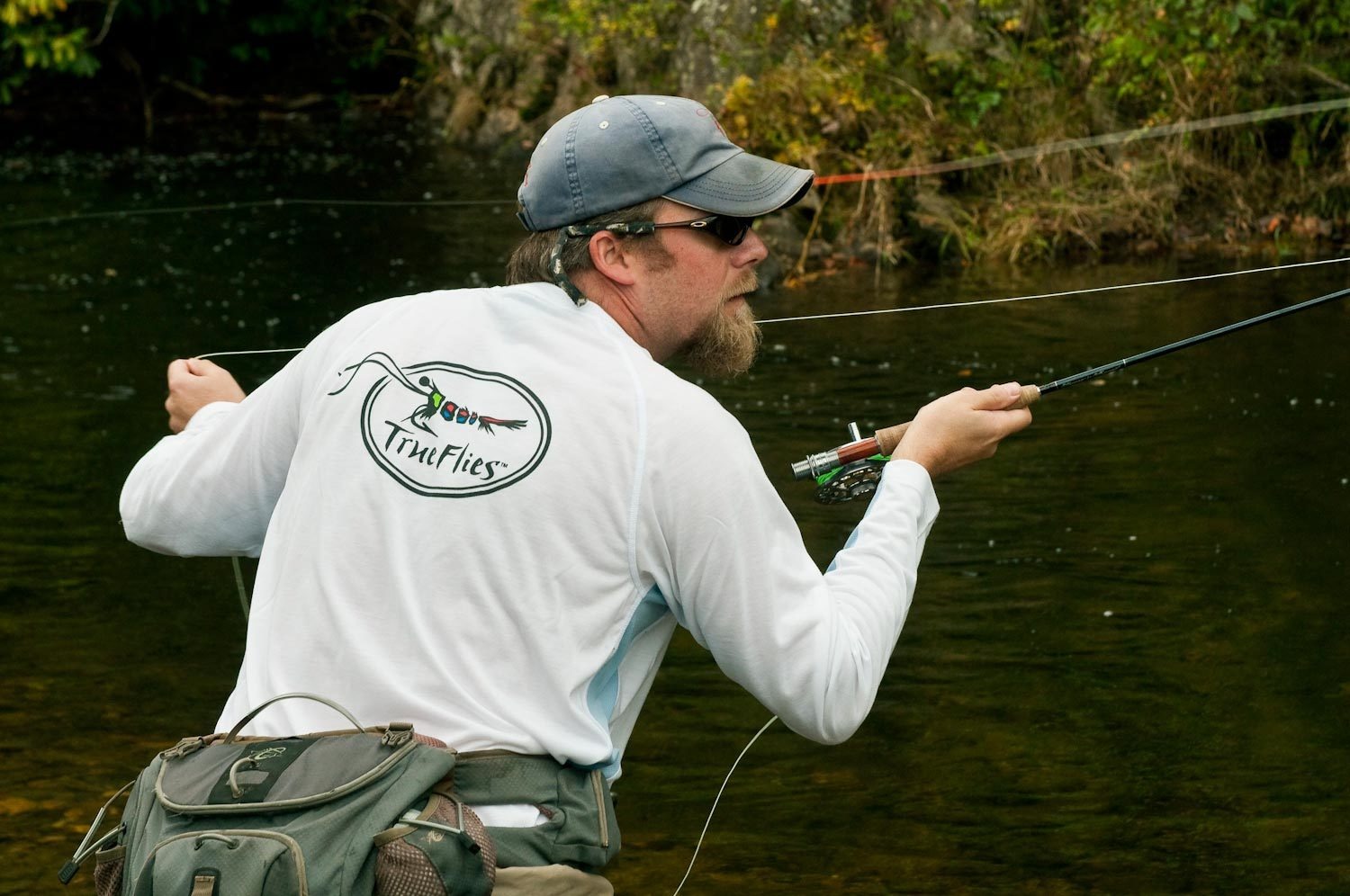
Fly fishing is an exciting and rewarding way to target bass, but beginners and even experienced anglers often make mistakes that can hinder their success. Fly fishing for bass requires a combination of skill, patience, and knowledge of bass behavior. Understanding common pitfalls and learning how to avoid them can greatly improve your chances of landing more bass and making your time on the water more enjoyable.
Understanding Bass Behavior
One of the most crucial aspects of fly fishing for bass is understanding bass behavior. Bass are predatory fish that react differently depending on water temperature, time of day, and season. Many anglers make the mistake of assuming bass will strike any fly presented. In reality, the wrong timing or location can result in long periods without a bite. To succeed in fly fishing for bass, observe where bass are feeding and choose flies that mimic their natural prey.
Choosing the Right Fly
Selecting the right fly is another area where many anglers struggle. Using a fly that does not match the bass’s current feeding pattern is a common mistake in fly fishing for bass. Topwater flies are ideal during warm months when bass are near the surface, while nymphs and streamers work best in cooler months or in deeper waters. By paying attention to what the bass are eating and adjusting your fly selection accordingly, you increase your chances of success.
Casting Techniques
Proper casting is vital for effective fly fishing for bass. Beginners often make the mistake of overcasting or undercasting, which can spook the fish or land the fly in the wrong spot. Practicing accurate and controlled casts helps ensure the fly lands naturally in areas where bass are likely to strike. Additionally, mastering different casting techniques, such as the roll cast or sidearm cast, can help navigate obstacles like overhanging trees or reeds while targeting bass effectively.
Presentation and Retrieval
Presentation is key in fly fishing for bass. Simply casting the fly without thinking about its movement can reduce your chances of a catch. Bass are often attracted to flies that mimic the erratic movements of prey. A common mistake is retrieving the fly too quickly or too slowly. Observing how the bass respond and varying your retrieval speed will make your presentation more realistic and increase your success rate.
Avoiding Common Gear Mistakes
Using the wrong gear is another frequent error in fly fishing for bass. Many anglers use rods or lines that are either too heavy or too light, which can affect casting and control. A medium to fast-action rod is usually best for bass, providing enough flexibility for delicate presentations while still allowing for strong hook sets. Choosing the appropriate tippet and leader is equally important, as it impacts both the fly’s movement and the ability to handle larger bass without breaking the line.
Fishing in the Right Locations
Location is crucial for effective fly fishing for bass. Many anglers make the mistake of fishing in areas where bass are not active. Bass often stay near cover such as submerged logs, rocks, or vegetation. Identifying these hotspots and casting accurately into these areas can dramatically improve your catch rate. Seasonal changes also influence where bass congregate, so adjusting your fishing locations throughout the year is essential.
Time of Day and Weather Considerations
Timing is another factor that can make or break your fly fishing for bass outing. Bass are more active during certain times of the day, often feeding early in the morning or late in the evening. Overcast days can also encourage bass to move closer to the surface, making fly fishing more productive. Ignoring these factors is a common mistake, but paying attention to weather patterns and daily bass activity can greatly enhance your success.
Staying Stealthy
Stealth is often underestimated in fly fishing for bass. Bass can be easily spooked by sudden movements, loud noises, or shadows. Approaching the water quietly and maintaining a low profile can help prevent scaring fish away. Wading carefully or using a small boat to minimize disturbance is a practical strategy to improve your chances of landing bass.
Practicing Patience and Persistence
Perhaps the most overlooked aspect of fly fishing for bass is patience. Many anglers give up too quickly when bites are scarce, making this one of the biggest mistakes. Bass fishing can require long periods of observation, adjusting techniques, and experimenting with different flies. Persistence, coupled with a willingness to learn from mistakes, will ultimately make you a more skilled and successful angler.
Final Thoughts
Avoiding common mistakes is the key to mastering fly fishing for bass. By understanding bass behavior, choosing the right fly, improving casting techniques, presenting effectively, using proper gear, selecting the right locations, considering timing and weather, staying stealthy, and practicing patience, anglers can significantly increase their success on the water. With time and practice, fly fishing for bass can be a deeply rewarding experience that combines skill, strategy, and a love for the outdoors.