
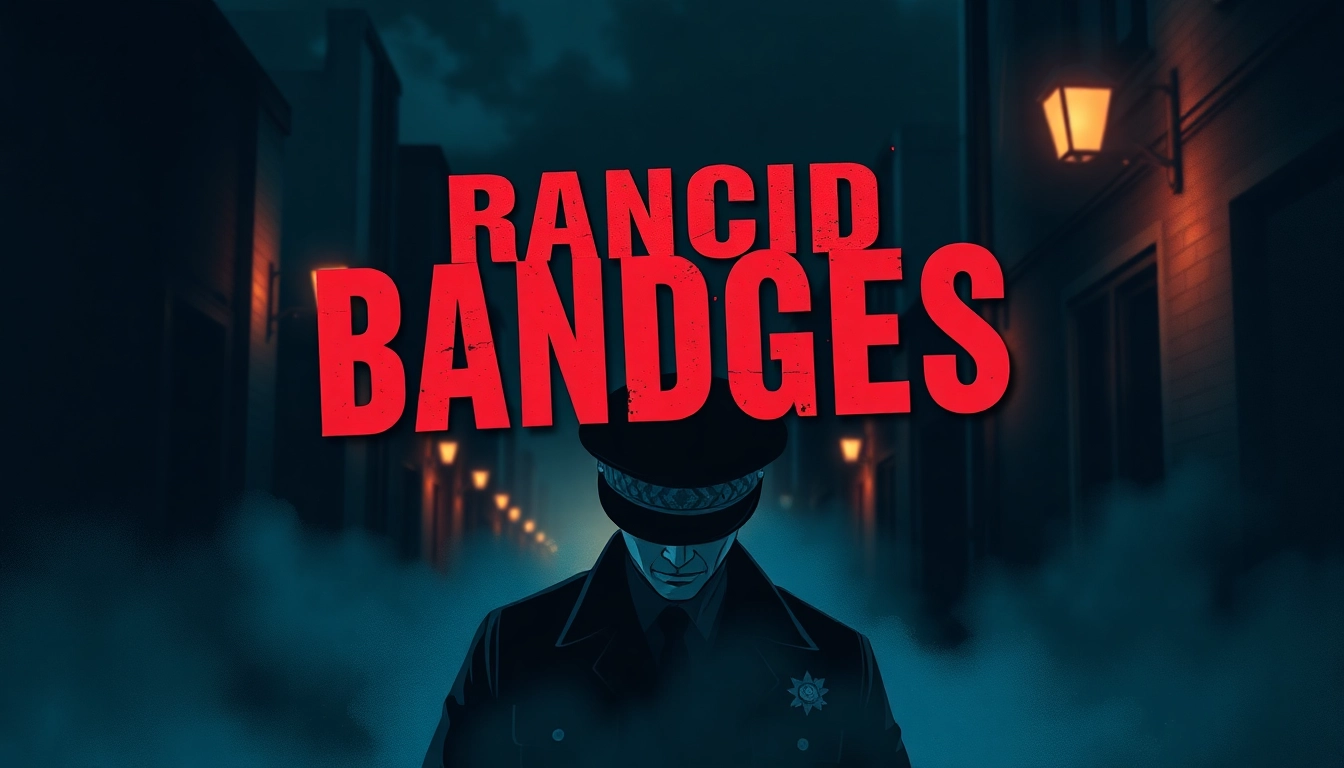
Understanding the Plot of Rancid Badges
At the heart of Rancid Badges lies a gripping narrative that delves into the dark underbelly of crime, deceit, and the quest for justice. Central to the story is Derrick Nash, an Atlanta beat cop whose life takes a drastic turn when betrayal rears its ugly head. Framed for a crime he didn’t commit, Nash finds himself navigating not only the treacherous landscape of the criminal world but also facing off against those who once stood by him, including corrupt colleagues and shadowy figures from the city’s criminal underworld.
Key Characters and Their Roles
The characters in Rancid Badges are intricately woven into the narrative, each playing pivotal roles that drive the plot forward:
- Derrick Nash: The protagonist, a dedicated cop turned fugitive, whose search for truth and redemption becomes a thrilling rollercoaster.
- Officer Jane Rowan: A staunch ally who grapples with her own moral dilemmas as she tries to help Nash clear his name.
- Lieutenant Mark Peterson: Represents the authority, straddling the line between right and wrong, and adding layers of complexity to Nash’s struggle.
- The Crime Syndicate: A web of interacting villains that create a palpable sense of danger and urgency in Nash’s quest.
Setting and Its Impact on the Narrative
The backdrop of Atlanta is not just a setting but a character in its own right. The vibrant yet gritty landscape of the city plays a crucial role in the storytelling. From dark alleyways to bustling precincts, each location adds to the tension, echoing the chaos in Nash’s life. The urban setting underscores themes of corruption and justice, making it a fitting stage for the high-stakes drama that unfolds.
Thematic Elements in Rancid Badges
Various themes permeate Rancid Badges, enriching the narrative:
- Betrayal: The heart of the story revolves around the shocking betrayal by those Nash trusted most.
- Justice vs. Corruption: Nash’s plight raises questions about the nature of justice in a flawed system.
- Redemption: The quest for exoneration highlights the universal desire for redemption, making Nash’s journey relatable.
Writing Style and Structure of Rancid Badges
The writing style in Rancid Badges is gritty and unflinching, painting a vivid picture of the challenges and stakes involved. Cage employs various narrative techniques that enhance the reader’s experience.
Narrative Techniques Used
Cage deftly uses a combination of first-person and third-person perspectives to draw readers into the emotional turmoil of Derrick Nash while also providing a wider view of the conspiratorial landscape he must navigate. This technique deepens reader engagement, allowing them to experience both intimate moments and broader systemic critiques. The narrative is punctuated with sparse, powerful prose that captures maddening tension and relentless pacing, compelling readers to turn the pages quickly.
Dialogue and Character Development
The dialogue in Rancid Badges is sharp and authentic, resonating with the realism of police work and street-level dynamics. Characters are brought to life through their interactions; Nash’s grit is revealed in terse exchanges filled with witty banter and sharp retorts. This character development is instrumental, as readers witness Nash’s evolution from a loyal cop to a desperate man fighting for survival and truth.
Pacing and Tension Building
Cage’s mastery of pacing is evident in the way tension escalates throughout the book. Chapters often end on cliffhangers, compelling readers to delve deeper into the plot. The rhythm of the story mirrors Nash’s frantic race for exoneration, maintaining a tight grip on the narrative momentum and ensuring that stakes remain high until the very end.
Reviews and Reception of Rancid Badges
The release of Rancid Badges has triggered a wave of critical acclaim, emphasizing its raw portrayal of crime and justice. It has resonated with audiences and critics alike, who commend its gritty realism and unflinching narrative.
What Critics are Saying
Critics have lauded the book for its impactful storytelling and well-crafted characters. The nuanced depiction of law enforcement and the complexities of morality have drawn comparisons to classic crime dramas. Reviewers have particularly highlighted Cage’s ability to weave a fast-paced plot with significant ethical dilemmas, elevating the genre beyond mere entertainment.
Reader Feedback and Ratings
Readers have expressed their appreciation for the story’s emotional depth and thrilling elements. Many have rated it highly, praising Cage’s writing style and the intricate plot twists. The book has fostered a strong community of fans eager for more, indicating its potential as a lasting piece of literature in the crime thriller genre.
Comparative Analysis with Similar Thrillers
In the world of crime fiction, Rancid Badges stands out against competitors by providing a refreshing perspective on the often-told stories of policing and crime. Unlike other thrillers that rely on sensationalism, this novel integrates social commentary, making it not only an entertaining read but one that challenges readers to think critically about systemic issues.
Author’s Background and Their Perspective
The author, Alex Cage, brings a unique perspective to Rancid Badges, shaped by his own life experiences. His understanding of crime and justice allows him to create authentic worlds and characters, enabling readers to engage fully with the narrative.
Influences Behind the Narrative of Rancid Badges
Cage’s influences are deeply woven into the fabric of the story. Drawing inspiration from real-life incidents and personal experiences, he captures the nuances of police work and the ethics involved. His portrayal of the moral ambiguities faced by law enforcement officers is both poignant and thought-provoking, reflecting broader societal issues.
Previous Works and Their Themes
Prior to Rancid Badges, Cage established himself with works that explored similar themes of crime, justice, and redemption. His previous books have delved into the psychological impacts of crime on individuals and society, earning him recognition as a thought leader in modern crime fiction.
Future Projects and Aspirations
Looking ahead, Cage intends to continue exploring the intersections of crime and justice in his writing. His future projects promise to delve even deeper into the ethical dilemmas faced by law enforcement and the continuous struggle for justice in a flawed system, chipping away at the systemic issues he so keenly critiques.
Exploring the Themes of Justice in Rancid Badges
Justice is a central theme in Rancid Badges, intricately threaded throughout the characters’ journeys and the story’s developments. The exploration of justice is multifaceted, addressing ethical dilemma, personal sacrifice, and societal challenges.
Ethics and Morality in Crime
The moral gray areas present in the novel challenge readers to reflect on their perceptions of right and wrong. The characters frequently wrestle with their decisions, which underscore the complexities of morality within law enforcement and criminal activity. Cage highlights that often, the law does not equate to justice, a realization that resonates with readers long after they finish the book.
Consequences of Betrayal
Betrayal not only fuels the plot but also serves as a potent thematic device. The impacts of betrayal are deeply felt by Nash and serve as a catalyst for growth and change. Through Nash’s eyes, readers experience firsthand the devastating fallout that betrayal can have, sprouting questions about loyalty, trust, and the very foundation of relationships.
Real-life Inspirations and Parallels
Cage has taken elements from real-life scenarios to craft a story that feels relevant and grounded. The parallels between Nash’s struggles and the challenges faced by individuals in a complex legal system bring a layer of authenticity to the narrative. Readers are not just entertained; they are invited to engage with the social realities that mirror the fictional events of the story.