
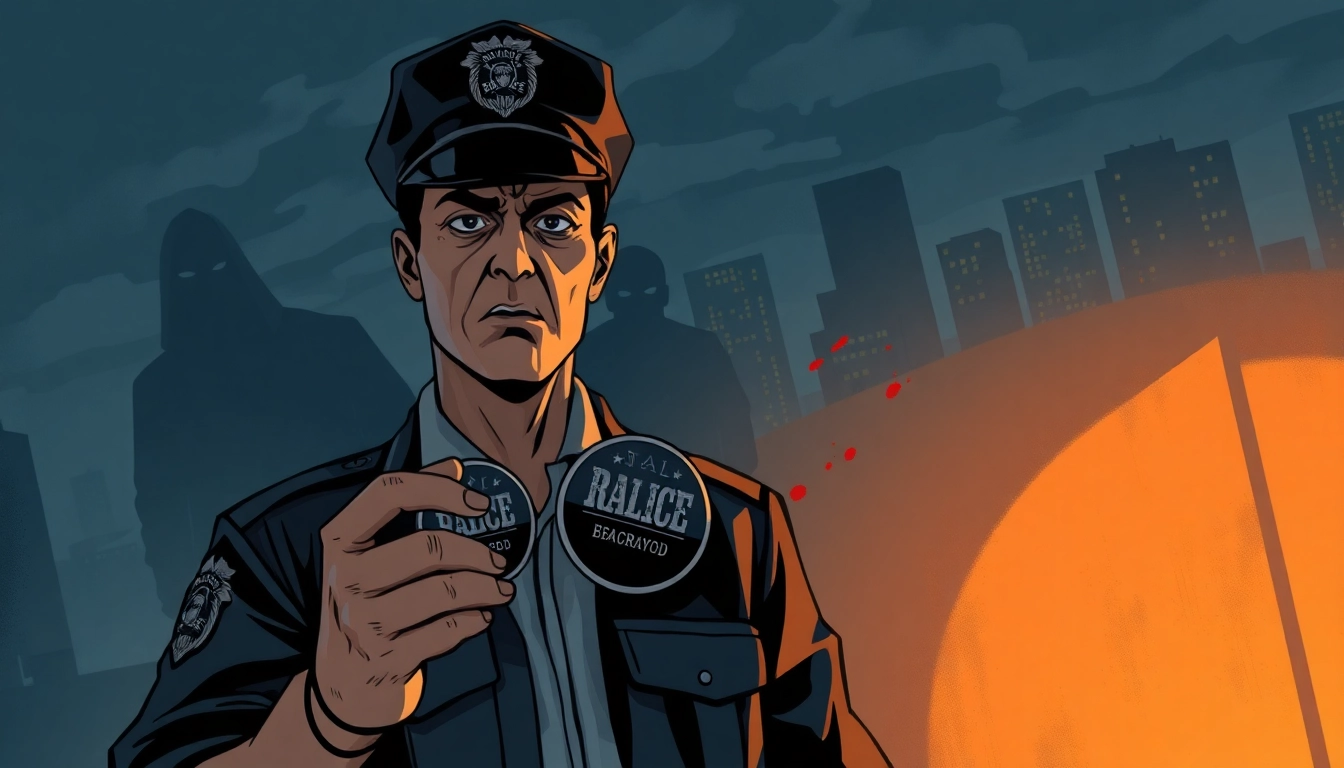
Understanding the Premise of Rancid Badges
At the heart of Rancid Badges lies a gripping narrative that intertwines betrayal, suspense, and the quest for exoneration. The story revolves around the central conflict faced by Derrick Nash, a beat cop in Atlanta who finds himself ensnared in a web of deceit. The narrative invites readers to explore not just the events leading to his downfall, but the emotional and psychological toll it takes on him and those around him. As Nash navigates through a world fraught with danger, each twist reveals not only a chase for justice but a profound exploration of moral ambiguity and loyalty.
The Central Conflict
The central conflict of the story is epitomized by Nash’s journey from law enforcement officer to suspect. Initially framed and hunted, Nash’s fight for survival is not just against external enemies but also against his own internal demons and the system he once vowed to protect. The stakes are raised as Nash uncovers deep-rooted corruption within the very institution he serves. This unique and harrowing conflict drives the narrative forward, revealing the complexities of justice and morality in a world where those in power often misuse their authority.
Main Characters and Their Journeys
Rancid Badges features a rich tapestry of characters, each contributing to the story’s intrigue. Derrick Nash, the protagonist, is depicted as a flawed hero grappling with the loss of his badge and the life he knew. His transformation throughout the story serves as the emotional backbone of the narrative. Supporting characters, such as fellow officers who may be allies or foes, and criminals who test his resolve, provide layers of complexity that enrich his journey. Each character’s path intersects with Nash’s, leading to unexpected alliances and bitter betrayals that deepen the plot’s intensity.
The Themes Explored in Rancid Badges
The themes prevalent in Rancid Badges resonate deeply with readers, eliciting reflection on the nature of justice, trust, and human integrity. Chief among these is the theme of betrayal—as Nash grapples with the realization that not everyone he trusted is genuinely on his side. This exploration of loyalty extends into discussions about the moral complexities faced by law enforcement and civilians alike. Moreover, the narrative delves into personal redemption, urging readers to consider how far one would go to reclaim their dignity and honor before society’s judgment.
The Writing Style and Structure of Rancid Badges
Alex Cage employs a distinctive writing style in Rancid Badges, characterized by sharp, immersive prose and a fast-paced narrative. The choice of language not only brings the gritty world of crime to life but also allows readers to intimately experience Nash’s tumultuous journey.
Narrative Techniques Used
The author utilizes various narrative techniques to enhance the storytelling experience. First-person perspective enables readers to see the story through Nash’s eyes, thereby fostering a deeper emotional connection. Coupled with vivid descriptive language and carefully crafted dialogue, the narrative immerses readers in the action. Cage also makes effective use of flashbacks, revealing critical backstory elements that inform Nash’s motivations and emotional state, creating a layered narrative that keeps readers engaged and invested.
Character Development and Growth
Character development is a cornerstone of Rancid Badges. Nash’s growth from a confident officer to a desperate fugitive illustrates the transformative power of dire circumstances. Through trials and tribulations, he grapples with fundamental questions about his identity and purpose. Supporting characters also undergo significant changes, mirroring the story’s themes of loyalty and betrayal, and contributing to a rich tapestry of interconnected personal journeys that complement Nash’s own struggles.
Building Tension and Suspense
The ability to build tension and suspense is masterfully executed in Rancid Badges. Cage strategically places cliffhangers at the end of chapters, compelling readers to continue turning pages. Additionally, the pacing of the narrative, punctuated by intense action sequences and quieter, reflective moments, creates a rhythm that keeps readers on the edge of their seats. As the stakes escalate, the looming threat of betrayal adds an additional layer of suspense, making the reader question who they can trust.
Reception and Reviews of Rancid Badges
Since its release, Rancid Badges has garnered a range of responses from critics and readers alike. The combination of intricate plotlines and relatable characters has struck a chord with many, creating anticipation for future works by the author.
Critics’ Opinions and Feedback
Critics have lauded Cage for his ability to weave intricate and nuanced narratives, often highlighting his vivid character portrayals and the chilling authenticity of the plot. The writing’s rhythm and pacing have received particular praise, with many reviewers noting that Cage possesses a unique ability to balance fast-paced action with deeper emotional elements, allowing the reader to feel the weight of each decision made by the characters. This dual focus enhances the overall impact of the story, showcasing a well-rounded exploration of the thriller genre.
User Reviews and Audience Reactions
Readers have responded enthusiastically to Rancid Badges, often sharing their admiration for Nash’s character arc and the book’s gripping narrative. User reviews commonly commend the author’s engaging storytelling style, with many highlighting how the themes of betrayal and justice resonate on a personal level. The book’s ability to invoke strong emotions, coupled with its suspenseful plot twists, has led to a solid word-of-mouth reputation, making it a sought-after read in the crime thriller category.
Comparisons to Similar Works
When compared to other works within the crime thriller genre, Rancid Badges stands out for its character-driven narrative and moral complexities. While many thrillers focus primarily on plot mechanics, Cage provides a nuanced exploration of human emotions and ethical dilemmas. This depth adds layers to the tension and propels the story beyond typical genre conventions, allowing Rancid Badges to occupy a unique space in the landscape of contemporary crime fiction.
Character Analysis: The Journey of Derrick Nash
Derrick Nash serves as the linchpin of Rancid Badges, and his character arc is central to the story’s emotional depth and thematic richness. Understanding his journey is crucial for appreciating the overall narrative.
Background and Motivations
Nash’s background as a dedicated and principled officer is initially presented as a source of pride. However, as he becomes embroiled in the criminal underbelly of Atlanta, this identity is put to the test. His motivations stem from a desire to serve and protect, which are challenged as he confronts betrayal from colleagues and the very system he believes in. This conflict illuminates the struggles faced by those in law enforcement, thrusting Nash into a moral quagmire that forces him to redefine his notions of justice and loyalty.
Key Relationships
The relationships Nash forms throughout the narrative significantly influence his character development. His ties with fellow officers create a conflicting backdrop of camaraderie and rivalry, while connections with the criminal world further complicate his choices. These relationships act as both catalysts for his evolution and sources of conflict, ultimately shaping the trajectory of his journey in profound ways. The depth and authenticity of these interactions highlight the complexities of trust in the face of adversity.
Character Evolution Throughout the Story
Nash’s evolution is marked by pivotal moments that challenge his beliefs and reshape his understanding of morality. Initially portrayed as naively idealistic, he is gradually forced to confront the harsh realities of corruption and betrayal. Each decision he makes leads to greater stakes, illuminating his growth from innocence to a more nuanced understanding of human nature. As the story progresses, readers witness his transformation into a more resilient and introspective character, emphasizing the theme of redemption.
Exploring the Cultural Impact of Rancid Badges
Rancid Badges extends beyond mere entertainment; it serves as a reflection of societal issues and resonates with cultural themes relevant to contemporary audiences. The exploration of these themes invites readers to consider their implications in real-world contexts.
Influence on the Crime Thriller Genre
The book’s unique approach to character-driven storytelling and ethical dilemmas challenges traditional conventions within the crime thriller genre. By elevating character development and moral complexity over straightforward action sequences, Rancid Badges has set a precedent for future works, highlighting the importance of empathy and introspection in narratives centered around crime. This influence fosters a richer understanding of human behavior within the context of law enforcement and criminality.
The Role of Setting in the Narrative
The gritty urban environment of Atlanta serves as a vital backdrop for the events in Rancid Badges. Cage’s depiction of the city enhances the narrative’s tension, with its diverse neighborhoods reflecting the socioeconomic divides and struggles faced by its inhabitants. The setting is not merely a backdrop; it becomes a character in its own right, influencing the actions and fates of the people who inhabit it. This immersive portrayal invites readers to experience the implications of crime and corruption in a vivid, tangible way.
Community Engagement and Fan Base Development
The compelling narrative of Rancid Badges has fostered a growing community of readers eager to discuss the book’s themes and characters. Engagement on social media platforms and book clubs showcases the book’s impact on fans, encouraging conversations about morality, justice, and the human condition. This grassroots engagement reflects the story’s relatability and the powerful connections it has forged between readers. Such interactions also enhance the overall reading experience, extending beyond the pages into deeper, meaningful exchanges.